Exploring French art terminology opens a fascinating window into the rich history and vibrant culture that have shaped the art world for centuries. These terms often carry nuanced meanings that reveal the techniques, styles, and emotions behind masterpieces.
Whether you’re an art enthusiast, a student, or simply curious, understanding these words deepens your appreciation and connection to the artwork. French terms frequently pop up in galleries and art discussions, making them essential for anyone eager to engage more meaningfully.
Let’s dive into the world of French art vocabulary and uncover the stories behind these captivating expressions! I’ll guide you through the details so you can grasp them clearly.
Understanding Artistic Techniques and Materials
Brushwork and Texture
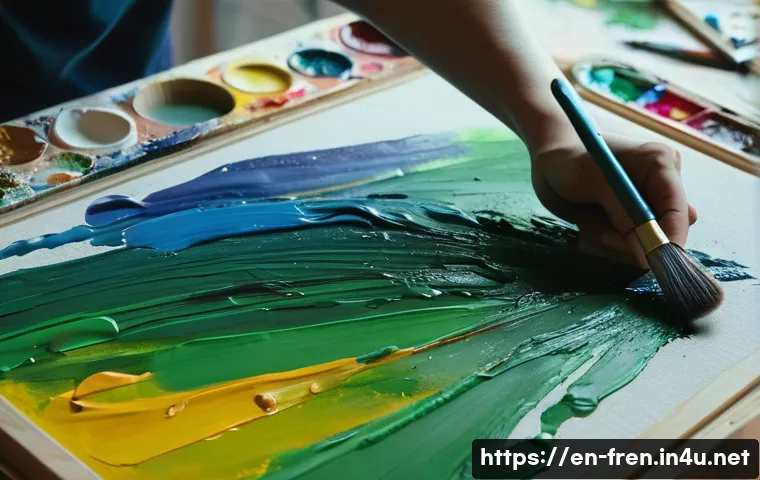
When exploring French art vocabulary, one of the first things you notice is how specific terms describe the way artists handle their brushes and create texture.
For example, some words imply a smooth, polished finish, while others hint at rough, expressive strokes. These subtle differences can dramatically alter the mood and impact of a painting.
I’ve found that knowing these nuances helps me see beyond the surface and appreciate the artist’s skill and emotional intent. It’s like reading a secret code embedded in every brushstroke that tells a story about the artist’s process and feelings during creation.
Color and Light Manipulation
French art terms often highlight how artists manipulate color and light to evoke certain atmospheres. Words related to luminosity, shading, and contrast are common, each reflecting a technique that influences how viewers perceive the depth and energy of a piece.
For example, when I visited a gallery, a guide explained how a specific term indicated the soft blending of shadows, which made the subjects appear almost alive under natural light.
This kind of vocabulary invites you to pay attention to how color interacts with light, revealing the artist’s mastery in capturing reality or fantasy.
Surface and Medium Choices
Another fascinating aspect is how French terms describe the choice of surfaces and media—canvas, wood, fresco, or paper—and the impact these choices have on the final artwork.
Each medium demands different techniques and produces unique effects. Personally, I’ve experimented with some of these media, and it’s clear that understanding the terminology gives you insight into the physical and technical challenges artists face.
This knowledge deepens your respect for the craftsmanship behind every masterpiece.
Exploring Styles and Movements
From Classicism to Impressionism
French art terms often serve as gateways to understanding entire artistic movements. Words connected to classicism emphasize harmony, balance, and idealized beauty, while those linked to impressionism focus on fleeting moments, light, and color variations.
I remember studying impressionist terms and realizing how they reflect a revolutionary approach to capturing life’s impermanence. These terms aren’t just labels; they carry philosophies and emotional undercurrents that shaped art history.
Symbolism and Abstraction
Delving into French vocabulary related to symbolism and abstraction uncovers how artists moved beyond realistic representation to express ideas and emotions more freely.
These terms describe techniques and approaches that challenge viewers to interpret meaning, often requiring a more active engagement. When I encountered these words in a museum, they made me realize how language itself can guide your perception and open your mind to multiple layers of interpretation.
Contemporary Expressions
The evolving nature of art means French terminology continues to grow, adapting to new forms and technologies. Terms linked to contemporary art often blend traditional techniques with digital media and installation art.
I find this evolution exciting because it shows how language and art influence each other, reflecting cultural shifts and new ways of storytelling. Being familiar with these terms allows you to stay current and appreciate the innovation happening in today’s art scene.
Describing Artistic Composition
Balance and Symmetry
French terms frequently describe how artists arrange elements within their compositions to create balance or intentional imbalance. These concepts are vital for understanding the visual flow and emotional impact of an artwork.
From my own experience, noticing how artists use symmetry or asymmetry helps me grasp the tension or harmony they’re trying to convey. It’s like seeing the invisible structure that holds the piece together and guides your eye across the canvas.
Focus and Perspective
Words related to focus and perspective reveal how artists direct viewers’ attention and create a sense of depth or flatness. French vocabulary often points to techniques like foreshortening or the use of vanishing points, which are crucial for realistic or stylized portrayals.
When I first learned these terms, it changed how I looked at paintings, helping me understand the deliberate choices behind where my gaze is led and how spatial relationships are built.
Movement and Rhythm
Another key compositional element described by French terms is movement—the way an artwork guides your eye through rhythm and repetition. These words capture the dynamic qualities that make a piece feel alive or serene.
I’ve noticed that when I pay attention to these terms, I connect more deeply with the artwork’s energy, almost sensing the flow of the artist’s hand or the narrative unfolding in the composition.
Expressing Emotion and Atmosphere
Mood and Tone
French art vocabulary excels at conveying mood and tone, often using words that evoke specific feelings or emotional states. These terms help viewers understand not just what they see, but how they’re meant to feel.
Personally, I’ve found that recognizing these emotional cues enriches my experience, turning a simple viewing into a more immersive, empathetic encounter with the artist’s vision.
Symbolic Meanings
Many French terms carry symbolic weight, referencing cultural, religious, or philosophical ideas embedded in artworks. Understanding these words unlocks layers of meaning that might otherwise go unnoticed.
For example, certain colors or motifs described by French vocabulary can signify purity, passion, or mortality. Knowing this background has helped me appreciate the complexity and depth behind seemingly straightforward images.
Atmospheric Effects
Words describing atmospheric effects highlight how artists create ambiance through techniques like blurring, glazing, or chiaroscuro. I recall visiting a museum where the guide explained how a particular term described a misty, dreamlike quality achieved through layering translucent paint.
This kind of vocabulary allows you to connect emotionally with the atmosphere the artist intended, making the viewing experience more vivid and memorable.
Interpreting Artistic Criticism and Appreciation
Evaluative Terms
French art language includes a range of evaluative terms that critics and historians use to assess artworks. These words go beyond simple praise or criticism, offering nuanced judgments about originality, technique, and impact.
From my experience reading art reviews, these terms help me understand why certain pieces are celebrated or debated, giving me a richer perspective on art discourse.
Describing Innovation and Influence
Terms that describe innovation and influence reveal how artists build on or break away from traditions. French vocabulary often highlights shifts in style, medium, or concept that define new chapters in art history.
I’ve found it fascinating to trace these linguistic markers, as they map the evolution of artistic ideas and connect individual works to broader cultural movements.
Communicating Personal Reactions
Finally, French art terms also help articulate personal reactions and emotional responses. Whether in conversation or writing, these words provide a way to express complex feelings about art that might otherwise be hard to convey.
When I discuss art with friends using these terms, the conversations feel more meaningful and precise, deepening our shared appreciation.
Common French Art Terms and Their Meanings
| Term | Meaning | Context of Use |
|---|---|---|
| Palette | The range of colors used by an artist in a particular work or style. | Discussing color schemes and artistic choices in paintings. |
| Fresco | A technique of mural painting on freshly laid lime plaster. | Describing large wall paintings, especially in historical or religious art. |
| Chiaroscuro | The use of strong contrasts between light and dark to achieve a sense of volume. | Analyzing dramatic lighting effects in paintings and drawings. |
| Impression | A fleeting visual impression emphasizing light and color over detail. | Referring to the impressionist movement and its approach to capturing moments. |
| Genre | A category of art characterized by subject matter, such as portrait, landscape, or still life. | Classifying artworks according to their thematic content. |
| Motif | A recurring element or theme in an artwork. | Identifying symbolic or decorative patterns within compositions. |
Insights into Artistic Presentation and Display
Framing and Setting
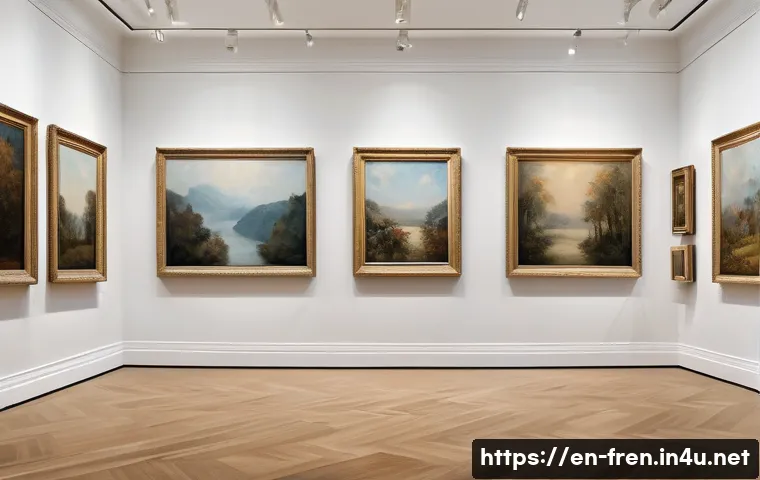
The way an artwork is framed and displayed can drastically influence its perception. French terminology often includes words describing elegant, minimalist, or ornate frames that complement or contrast the piece.
From personal visits to galleries, I’ve noticed how frame choices can either enhance the artwork’s impact or distract from it, and understanding these terms helps you appreciate the curator’s intent.
Spatial Arrangement in Galleries
Terms related to how artworks are arranged within a space shed light on curatorial strategies. Whether grouped by theme, style, or chronology, these arrangements affect the narrative viewers experience.
When I attended exhibitions, knowing these terms allowed me to follow the intended story and notice relationships between works I might have missed otherwise.
Lighting and Viewing Conditions
Lighting is crucial in presenting art, and French vocabulary frequently addresses different lighting techniques—from natural to spotlighting—that affect color perception and mood.
I’ve found that being aware of these terms makes me more mindful of how lighting shapes my experience, prompting me to seek out the best angles or times for viewing certain pieces.
Terminology Linked to Artistic Tools and Studio Practice
Essential Tools and Implements
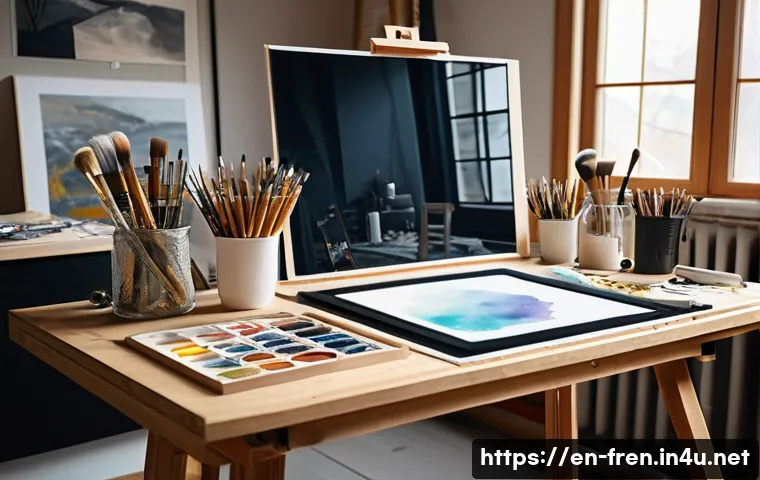
French terms often specify the tools artists use, such as different types of brushes, palettes, or knives. Learning these words gives you a glimpse into the practical side of art-making.
I once tried replicating a technique after understanding the exact tool involved, and it made me appreciate the precision and choice behind each stroke.
Studio Environment and Workflow
Some vocabulary relates to the artist’s workspace and creative process—terms for mixing paints, preparing canvases, or layering techniques. Knowing these helps you follow an artist’s method step-by-step, which adds a layer of admiration for the discipline and experimentation behind the final work.
Material Preparation and Preservation
Understanding terms about preparing materials and preserving artworks is vital for grasping the longevity and care involved. For example, words describing varnishing or priming show the technical knowledge artists apply to protect their creations.
Personally, learning about these processes changed how I view the fragility and value of art pieces in museums or private collections.
In Conclusion
Understanding artistic techniques and vocabulary opens up a richer experience when engaging with art. It allows you to appreciate not only the visual aspects but also the emotions and intentions behind each work. This knowledge bridges the gap between the artist’s creative process and the viewer’s interpretation. Embracing these terms enhances your connection to art in a more meaningful way.
Useful Information to Know
1. Familiarizing yourself with key art terms can deepen your appreciation and insight when visiting galleries or reading about art.
2. Knowing how materials and techniques influence artworks helps you recognize the craftsmanship involved.
3. Understanding compositional elements like balance and perspective improves your ability to analyze and enjoy art.
4. Recognizing emotional and symbolic language enriches your emotional engagement with artworks.
5. Being aware of presentation and studio-related terms offers a behind-the-scenes glimpse into the artist’s world and the care involved in preserving art.
Key Takeaways
Grasping the specific vocabulary related to artistic methods, styles, and materials is essential for fully appreciating art’s complexity. This terminology not only clarifies technical details but also reveals the emotional and cultural layers embedded in artworks. By learning these terms, you empower yourself to engage more deeply with art, understand critical evaluations, and enjoy a more immersive viewing experience that connects you with the artist’s vision and creative journey.
Frequently Asked Questions (FAQ) 📖
Q: Why are French terms so prevalent in the art world?
A: French has historically been a dominant language in the arts, especially since France was a major center for artistic innovation during the Renaissance, Baroque, and Impressionist periods.
Many foundational art movements and techniques originated or were popularized in France, so the terminology naturally stuck around. When visiting galleries or reading art history, these terms help capture the precise styles or methods artists used, which often don’t translate perfectly into English.
Understanding French art terms gives you a direct line to the culture and history behind the artwork, making your experience richer and more authentic.
Q: How can learning French art vocabulary enhance my appreciation of art?
A: Knowing French art terms allows you to decode the language that artists, critics, and curators use to describe works. For example, words like “chiaroscuro” (light and dark contrast) or “frottage” (a texture technique) unlock deeper layers of meaning and technique in a piece.
When you recognize these terms, you start noticing details and intentions that might otherwise go unnoticed. This not only makes viewing art more engaging but also helps you participate confidently in discussions, whether in galleries, classrooms, or online forums.
Personally, once I started learning these terms, I found myself connecting emotionally with artworks on a whole new level.
Q: What are some essential French art terms every beginner should know?
A: Starting with a few key terms can make a big difference. “Palette” refers to the range of colors an artist uses; “genre” describes the category or style of painting, like portrait or landscape; and “avant-garde” highlights works that are innovative or experimental.
Another useful term is “atelier,” meaning an artist’s workshop or studio. These words come up often and help you understand descriptions and critiques quickly.
From my experience, focusing on these basics first builds a solid foundation that makes exploring more complex vocabulary less overwhelming and much more enjoyable.