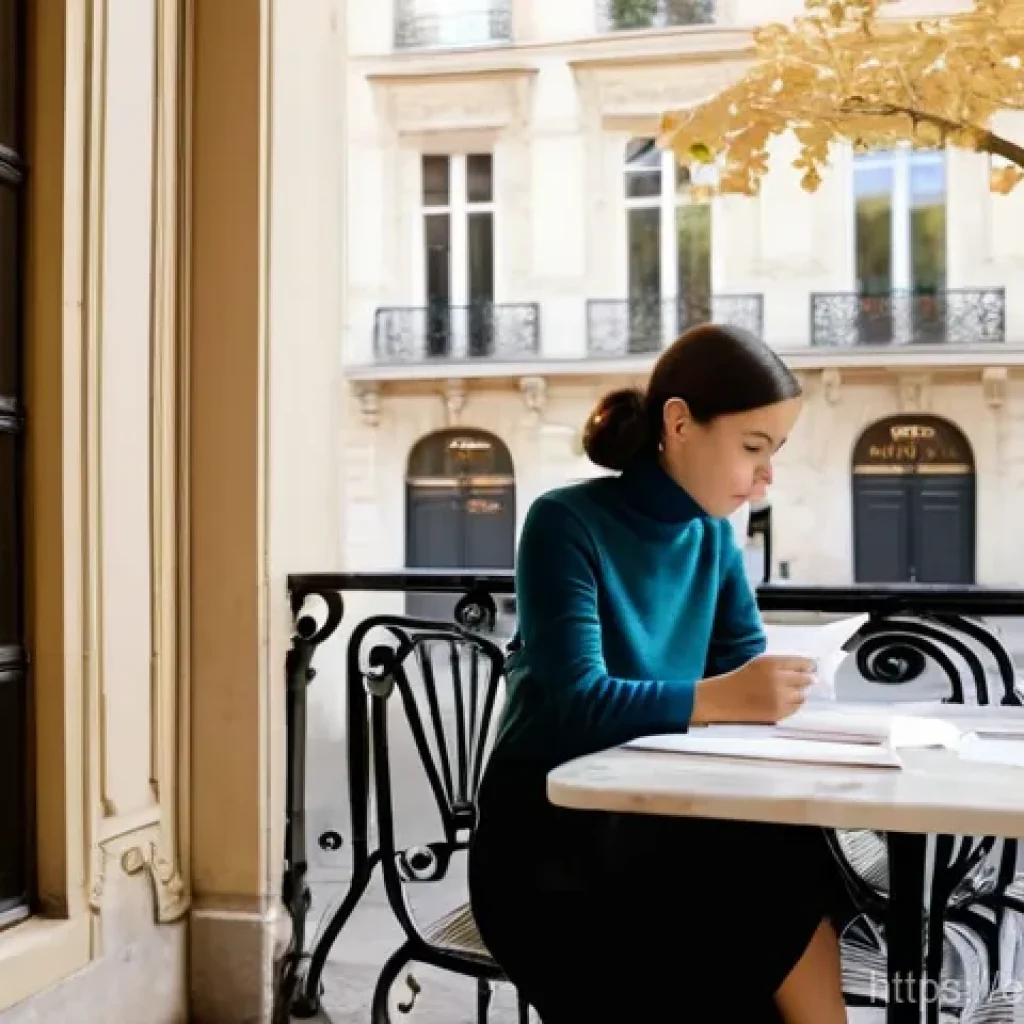
Hey everyone! As someone who absolutely loves diving into different cultures and languages, I’ve often found that one of the best ways to truly get a feel for a country is by immersing yourself in its local news.
If you’re anything like me, you’ve probably tried to keep up with what’s happening in France, whether it’s for language practice, staying current on European affairs, or just because you appreciate French perspectives on global issues.
But let’s be honest, finding the right French news sources that are both reliable and genuinely engaging can feel a bit like searching for a needle in a haystack, especially with the sheer volume of information out there these days.
From navigating the political landscape to understanding nuanced cultural shifts, getting your daily dose of authentic French news is a game-changer for anyone wanting to truly connect with the country beyond the usual tourist spots.
I’ve personally spent countless hours sifting through various platforms, trying to distinguish between genuine, insightful journalism and mere clickbait, and I’m super excited to share my top picks that I genuinely believe will elevate your French experience.
Knowing how crucial it is to get diverse, authoritative viewpoints in today’s fast-paced world, these recommendations are designed to help you not only practice your French but also stay incredibly informed on what truly matters.
Ready to elevate your understanding and boost your language skills? Let’s dive deeper into the world of French news sites and discover some fantastic resources together!
Navigating the Digital Landscape: My Go-To French News Hubs
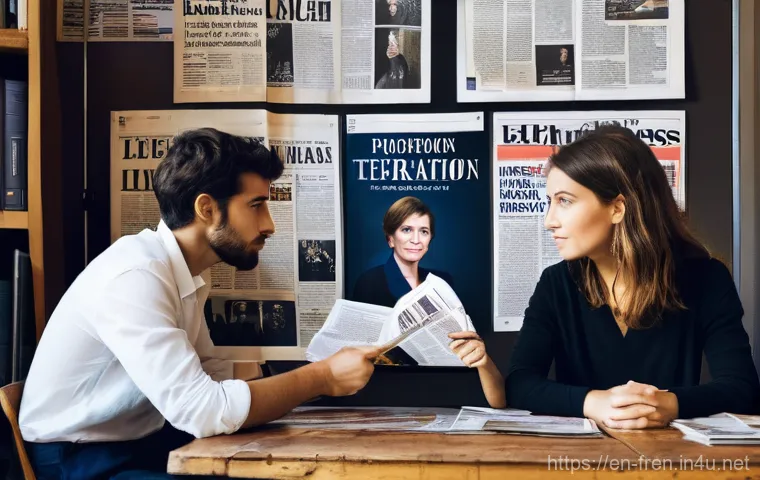
Diving into the world of French news can feel a bit like stepping into a bustling Parisian market – vibrant, a little overwhelming, but full of incredible discoveries. When I first started trying to genuinely connect with French culture beyond just tourist spots, I quickly realized that relying on English-language reports just wasn’t cutting it. I needed to hear it straight from the source! Over the years, I’ve personally spent countless hours sifting through various platforms, trying to distinguish between genuine, insightful journalism and mere clickbait, and I’m super excited to share my top picks that I genuinely believe will elevate your French experience. It’s not just about practicing the language; it’s about really getting under the skin of current events and understanding the French perspective, which is often so refreshingly different. From my own journey, I’ve found that consistency is key, and having reliable, engaging sources makes all the difference. Knowing how crucial it is to get diverse, authoritative viewpoints in today’s fast-paced world, these recommendations are designed to help you not only practice your French but also stay incredibly informed on what truly matters. I mean, who wants to miss out on the latest debates about French cinema or the intricacies of their political scene?
The Giants: Le Monde and Le Figaro
If you’re serious about getting your French news fix, you absolutely have to start with Le Monde and Le Figaro. Think of them as the BBC and The Times of France. Le Monde, for me, has always been the gold standard for in-depth, analytical journalism. Their articles often delve into complex topics with a level of detail that really helps you grasp the nuances of French (and international) politics, economics, and culture. I remember once struggling to understand a particular policy debate, and after reading Le Monde’s comprehensive coverage, everything clicked. It’s often considered left-leaning, but honestly, their reporting feels incredibly balanced and fact-driven. Then there’s Le Figaro. This one leans a bit more to the right, offering a slightly different, yet equally professional, perspective. I make it a point to read both because seeing how two respected outlets cover the same event truly broadens my understanding and helps me form my own opinions. Their investigative pieces are always top-notch, and they often break news that other outlets pick up on later. For anyone serious about understanding modern France, these two are non-negotiable.
For a Different Flavor: Libération and L’Express
While the big names are fantastic, I also love to mix things up with Libération and L’Express for a more diverse news diet. Libération is famously left-wing and has a more punchy, sometimes provocative, style of journalism that I find incredibly engaging. It’s fantastic for getting a pulse on social issues and cultural movements from a distinct viewpoint. I’ve found their coverage of protests and artistic events to be particularly vibrant and insightful. It really makes you feel like you’re on the ground in France, experiencing things firsthand. Then there’s L’Express, which is a weekly news magazine, offering a brilliant deep dive into current affairs with longer features and analyses. It’s perfect for a weekend read, giving you a chance to truly absorb complex topics without the daily rush. I often save their articles for when I have a good cup of coffee and some quiet time. Their political commentary and interviews are often incredibly candid, giving you a sense of personality behind the headlines. Both of these outlets provide a wonderful counterpoint to the more traditional daily newspapers and truly round out my understanding of French public discourse.
Beyond the Headlines: Deep Dives into French Culture and Politics
Beyond just the immediate news, what I’ve truly grown to appreciate about French media is its dedication to exploring the deeper currents of culture and politics. It’s not just about what happened yesterday, but why it happened, and what it means for the fabric of French society. This is where you really start to feel that connection, that sense of truly understanding the country. My journey of language learning has been inextricably linked to this cultural immersion. Honestly, there’s no better way to truly understand a culture than by engaging with its internal dialogues. I often find myself spending hours reading opinion pieces or cultural critiques, not just for the linguistic challenge, but because they offer such a rich tapestry of French thought. It’s these deeper dives that move you beyond basic comprehension to a truly nuanced appreciation of the French way of life, and believe me, it’s a rewarding experience that keeps you coming back for more.
Unpacking France’s Political Pulse
Understanding French politics can be a bit like deciphering a complex novel – lots of characters, intricate plots, and historical context that really matters. From my own experience, simply reading headlines won’t get you far. You need to dive into the analysis. French political discourse is incredibly vibrant and often philosophical, and outlets like Mediapart (an investigative online journal, subscription-based but worth it for its fearless reporting) or even specific political sections of Le Monde provide an unparalleled window into this world. I remember trying to follow an election cycle, and the detailed breakdown of party platforms, historical allegiances, and projected outcomes from these sources was absolutely invaluable. They often feature passionate debates between intellectuals and politicians, which, while challenging linguistically, are incredibly enlightening. It’s through these analyses that I’ve come to grasp the nuanced differences between, say, the various left-wing factions or the evolutions within the conservative movement. It’s not just about who’s in power, but the underlying ideologies and societal discussions that shape the nation.
Cultural Chronicles: From Art to Lifestyle
One of my absolute favorite aspects of French news is its rich cultural coverage. France, after all, is a global leader in art, cinema, literature, and fashion, and its media reflects that beautifully. I’ve discovered countless new artists, films, and books through French newspapers and magazines. Publications like Télérama, for instance, are fantastic for detailed reviews and discussions about television, radio, cinema, and cultural events. I recall planning a trip to Paris and using their cultural sections to find amazing exhibitions and small, local music venues that I would have never known about otherwise. Even the major dailies dedicate significant space to cultural reporting, offering critiques of new plays, interviews with authors, and insights into the latest fashion trends. It’s not just about high culture either; they often cover everyday lifestyle, food trends, and social phenomena that give you a real sense of what daily life is like across France. This cultural immersion through news has truly been a game-changer for my overall appreciation of the country.
Mastering Your French with Daily News Immersion
Let’s be real, textbooks are great, but nothing beats real-world exposure when you’re trying to master a language. For me, integrating French news into my daily routine has been the most effective way to not only keep my language skills sharp but also to genuinely improve them. It’s like having a free, personalized tutor who’s constantly updated with fresh content! I started small, just reading headlines, and gradually built up my stamina. It wasn’t always easy – sometimes I’d get lost in a sea of new vocabulary, but the persistence paid off. The beauty of news is that it repeats certain themes and vocabulary, which reinforces your learning naturally. Plus, the sense of accomplishment you get when you understand a complex article in French is just unbeatable. It boosts your confidence and makes the whole learning process so much more enjoyable and less like a chore. Trust me, if you’re looking for a powerful language learning hack, this is it.
Building Vocabulary and Comprehension
The sheer volume of new vocabulary you encounter in daily French news is incredible. It’s not just academic words; it’s the language of everyday life, politics, economics, and social issues. I used to keep a notebook handy and jot down new words and phrases, looking them up later. What I found particularly useful was noticing how certain words were used in different contexts, which helped me understand their nuances far better than any dictionary definition alone could. Moreover, reading about current events means you’re often encountering similar topics across different articles, which provides a natural form of spaced repetition for vocabulary. My comprehension skills have skyrocketed since I started this practice. When I began, I’d often only grasp the main idea, but now I can follow complex arguments and even pick up on subtleties. It’s truly a testament to how consistent exposure to authentic material can transform your understanding of a language. I even use browser extensions that translate words on hover, which speeds up the learning process without breaking my reading flow.
Grasping Nuance and Colloquialisms
One of the biggest challenges in language learning is moving beyond literal translation and grasping the nuances, the subtle implications, and the colloquialisms that pepper natural speech. French news is an absolute treasure trove for this. You’ll find idioms, common expressions, and cultural references that you simply won’t encounter in formal textbooks. I recall reading an article about a political scandal and coming across an expression that literally translated to “washing dirty laundry in public.” It was perfectly clear in context, and ever since, I’ve heard it used multiple times in French conversations. These little discoveries make the language come alive. Furthermore, the way opinions are expressed, the tone of reporting, and even the choice of verbs can convey so much about French cultural values and ways of thinking. It’s through this kind of immersion that you start to “think” in French, not just translate, which is truly the holy grail of language acquisition. It makes conversations so much more fluid and natural.
Uncovering Diverse Perspectives: Why Multiple Sources are Key
If there’s one thing I’ve learned from tracking news, it’s that no single source tells the whole story, especially when it comes to a country as rich and varied as France. Relying on just one outlet, no matter how reputable, is like listening to only one voice in a choir – you miss the harmony, the counter-melodies, and the full emotional range. This is particularly true for France, with its vibrant political spectrum and diverse regional identities. I’ve always made it a point to consume news from various sources, not just to broaden my linguistic exposure but, more importantly, to get a truly rounded picture of what’s happening. It helps me to identify potential biases, to see arguments from different angles, and to form a much more informed and nuanced opinion. It’s honestly empowering to feel like you’re not just passively absorbing information, but actively constructing your own understanding of the world.
The Spectrum of French Political Thought
French politics are incredibly dynamic, encompassing a wide array of ideologies from the far-left to the far-right, with many shades in between. To truly grasp the depth of their political debates, it’s essential to consult sources that represent these different viewpoints. For example, contrasting Le Monde‘s analysis with that of Le Figaro, or even diving into more specialized political blogs and magazines, reveals the fascinating complexities of French public opinion. I remember a particularly heated debate about pension reform, and by reading articles from several different newspapers, I could see how various political parties and social groups were framing the issue, what their core arguments were, and how they were trying to sway public opinion. It’s not about agreeing with every perspective, but understanding them. This practice helps immensely in developing critical thinking skills, not just in French but generally. It also helps in predicting potential future political trends and understanding the broader societal mood.
Regional Voices and Local Stories
France is so much more than just Paris, and its regional newspapers offer a fantastic window into the diverse lives and concerns of people across the country. While national dailies cover major events, publications like Ouest-France (for Brittany and Pays de la Loire) or La Dépêche du Midi (for the Occitanie region) provide invaluable local perspectives. I once spent a summer traveling through Provence, and reading the regional news there gave me such a deeper appreciation for the local festivals, environmental issues, and even specific culinary traditions. It’s like getting insider knowledge straight from the source. These regional outlets often cover stories that wouldn’t make it to the national stage but are incredibly important to the communities they serve. They help you understand that “France” isn’t a monolith, but a rich tapestry of distinct regions, each with its own character and concerns. I’ve found these local papers to be fantastic for getting more colloquial language and understanding very specific cultural practices, enriching my overall French immersion significantly.
| French News Source | Focus / Lean | Why I Love It |
|---|---|---|
| Le Monde | Center-Left / In-depth Analysis | For comprehensive, balanced political and economic coverage. My go-to for serious news. |
| Le Figaro | Center-Right / Business & Politics | Offers a strong alternative viewpoint, great for economic news and conservative perspectives. |
| Libération | Left-Wing / Social & Cultural | Engaging, often provocative; excellent for social issues and cultural movements. |
| L’Express | Center / Weekly Magazine | Perfect for deep-dive features and comprehensive analysis on current affairs. |
| France 24 | International / Global Focus | Great for international news from a French perspective, often available in English too. |
The Art of Spotting Quality: What Makes a French News Site Stand Out
In today’s fast-paced digital world, where information (and misinformation) bombards us from all sides, learning to discern quality news sources has become an indispensable skill. This is especially true when you’re consuming news in a foreign language. It’s not just about understanding the words; it’s about trusting the message. I’ve definitely had my share of stumbling upon clickbait or overtly biased sites disguised as legitimate news, and it can be really frustrating, especially when you’re also trying to practice your French! So, I’ve developed a keen eye for what makes a French news site genuinely stand out in terms of reliability and editorial integrity. It’s about looking beyond the flashy headlines and digging into the core principles of their journalism. Once you start recognizing these hallmarks of quality, your news consumption becomes far more effective and trustworthy, and your language learning benefits immensely from engaging with well-crafted prose.
Editorial Independence and Fact-Checking
The bedrock of any high-quality news source is its commitment to editorial independence and rigorous fact-checking. When I’m evaluating a French news site, I always look for signs that they prioritize journalistic integrity over political or commercial pressures. Do they clearly separate opinion pieces from factual reporting? Do they cite their sources? Are corrections transparently issued when errors occur? Sites like Le Monde and Mediapart are exemplary in this regard, with strong reputations for independent investigation and a clear editorial line that champions factual accuracy. I recall a time when a certain political rumor was circulating widely, and while some less reputable sites amplified it, the established papers held back until they had verifiable facts. This commitment to truth, even when it means delaying a story, is what builds trust. As a language learner, engaging with such content means you’re exposed to clear, precise language that reflects careful thought and verification, which is invaluable for improving your own communication skills.
User Experience and Accessibility for Learners
While journalistic quality is paramount, for us language learners, the user experience and accessibility of a news site are also incredibly important. A site might have brilliant content, but if it’s cluttered, difficult to navigate, or riddled with pop-ups, it can quickly become a barrier to learning. I personally gravitate towards sites that have clean layouts, easy-to-read fonts, and a responsive design that works well on both desktop and mobile. Some French news sites also offer features that are particularly helpful for learners, such as clear article categorization, search functions, and even occasional vocabulary explanations or slower audio versions of reports. For instance, I’ve found that sites with well-structured articles and logical paragraph breaks make it much easier to follow complex arguments, even when I’m encountering new vocabulary. A good user experience reduces cognitive load, allowing you to focus more on comprehension and less on battling the interface. It’s all about making your language immersion as smooth and enjoyable as possible!
Making the News Work for You: Language Learning and Cultural Connection
Alright, so we’ve talked about *which* French news sites to check out, but let’s chat about *how* to truly make them work for you. It’s not enough to just open a tab and passively scroll; you’ve got to be intentional about it, especially if you’re aiming to supercharge your French skills and deepen your cultural connection. Think of it as a strategic mission! I’ve been there, staring blankly at an article, feeling overwhelmed, but I’ve learned some incredible tricks to turn that frustration into progress. It’s about weaving these resources into your daily life in a way that feels natural and, dare I say, even fun! When you approach it with a clear purpose, suddenly these news sites aren’t just information hubs; they become powerful tools for personal growth. The rewards are immense: not only will your French improve dramatically, but you’ll also gain a nuanced understanding of France that goes far beyond any guidebook.
Integrating News into Your Daily Routine
Consistency is truly the magic ingredient here. I’ve found that integrating French news into my daily routine, even for just 10-15 minutes, has made a monumental difference. My personal strategy involves starting my day by skimming headlines from Le Monde while I have my morning coffee. Then, during my commute, I might pick one or two articles from Libération or L’Express to read in more detail. This way, it doesn’t feel like a chore; it’s just part of my morning ritual. You could try listening to a French news podcast from France Info while you’re exercising or doing chores, or watching a short news segment on France 24 during your lunch break. The key is to find moments that naturally fit into your schedule so that it becomes a sustainable habit, not just a temporary burst of effort. I’ve noticed that on days I skip my French news immersion, my mind feels a little less sharp, and I miss that connection to the French-speaking world. It really becomes an essential part of my day!
Discovering France Through Its Own Lens
This is where the real magic happens, folks. Beyond just learning vocabulary or grammar, engaging with French news allows you to experience France through its own eyes. You get to understand their national debates, their cultural touchstones, their sense of humor, and their unique ways of looking at the world. I remember vividly reading about a local village festival in a regional paper – the detailed description of the traditions, the food, the community spirit – it made me feel like I was right there, even though I was thousands of miles away. It’s this kind of authentic exposure that helps you develop true cultural empathy and appreciation. It’s about understanding why certain things matter to the French, what makes them tick, and what shapes their identity. This isn’t something you can get from a textbook; it’s something you absorb by immersing yourself in their ongoing conversation. It makes visiting France even more enriching, because you arrive with a deeper context and can appreciate everything on a whole new level. It’s truly a journey of discovery!
글을마치며
So there you have it, folks! Diving into French news has been an absolute game-changer for me, not just in mastering the language but in truly connecting with the vibrant pulse of France. It’s a journey I genuinely encourage you to embark on. Forget those dusty textbooks for a bit and let the real-world stories and nuanced debates of French journalism truly bring your learning to life. Trust me, the satisfaction of understanding a complex article or a spirited discussion directly from French sources is incredibly rewarding, and it opens up a whole new world of cultural understanding. It’s an investment in yourself that pays dividends far beyond just linguistic proficiency!
알아두면 쓸모 있는 정보
1. Start small and build up. Don’t feel pressured to read an entire Le Monde article on your first try. Begin with headlines, short news briefs, or articles on topics you’re already familiar with in English.
2. Leverage technology! Utilize browser extensions that offer on-hover translations, or keep an online dictionary like WordReference handy. This speeds up vocabulary acquisition without disrupting your reading flow too much.
3. Diversify your media diet. Beyond written articles, explore French news podcasts (like those from France Info or RFI) or watch news segments on channels like France 24. Listening comprehension is key, and varying your input keeps things fresh.
4. Focus on topics that genuinely interest you. Whether it’s French cinema, environmental policies, or local cuisine, engaging with content you care about makes the learning process infinitely more enjoyable and sustainable.
5. Don’t strive for perfection initially. It’s okay not to understand every single word. Focus on grasping the main idea and key arguments. Context clues are your best friend, and over time, your comprehension will organically improve.
중요 사항 정리
From my own journey, the biggest takeaway is this: consistent, diverse engagement with authentic French news is an unparalleled hack for language mastery and cultural immersion. It’s not just about passively consuming information; it’s about actively building your vocabulary, refining your comprehension, and truly understanding the multifaceted perspectives that shape France. By exploring a spectrum of reputable sources, you’ll not only stay incredibly informed but also develop a nuanced appreciation for the country that no textbook could ever provide. Remember, every article you read, every podcast you listen to, brings you one step closer to truly thinking and feeling in French. It’s a challenging but incredibly rewarding path!
Frequently Asked Questions (FAQ) 📖
Q: Okay, so why should I even bother with French news if I’m not planning a trip or a move there soon?
A: I totally get this question, and honestly, it’s one I asked myself a while back! But let me tell you, diving into French news isn’t just for the globe-trotters or those brushing up on their language skills.
For me, it’s become this incredible window into a whole different way of thinking and experiencing the world. You see, French media often brings a unique perspective to global events that you simply won’t find in English-speaking outlets.
It’s like having access to another layer of analysis, understanding the nuances of European politics, or even just appreciating how they discuss cultural topics like film, fashion, or even everyday life.
It truly helps broaden your own worldview, makes you a more informed global citizen, and frankly, it’s just fascinating to see how another culture processes information and shapes its discourse.
Plus, knowing what’s happening there gives you a much richer context if you ever do decide to visit or just want to impress your friends with some insider knowledge!
Q: With so many options, how do I actually tell the difference between a genuinely good French news site and something that’s just… well, not worth my time?
A: That’s the million-dollar question, isn’t it? I’ve definitely been there, sifting through endless sites, wondering if I’m getting the real scoop or just some sensationalized clickbait.
From my experience, the key really comes down to a few things. First off, look for journalistic integrity – reputable sources often have a long history and are transparent about their editorial processes.
Think about their coverage across various topics; do they offer depth and different viewpoints, or do they seem to lean heavily one way? A genuinely good site will usually have a clear, engaging writing style that’s not overly simplistic but also not bogged down in jargon, which is super helpful for language learners.
Also, pay attention to the user experience: is it easy to navigate? Does it load quickly? A clean, professional layout often signals a serious news organization.
And here’s a little secret: if a site constantly bombards you with pop-ups or seems overly reliant on dramatic headlines without much substance, you’re probably better off finding another source.
You want content that feels authoritative and trustworthy, not just shouting for your attention.
Q: I’m trying to improve my French; can just reading the news really help me, or should I be doing something else too?
A: Absolutely, without a doubt! Just reading French news can be a game-changer for your language skills, and I can tell you this from personal experience.
When I was first really trying to level up my French, I made it a point to read at least one news article every single day. It’s not just about learning new vocabulary, though you’ll certainly do a lot of that!
It’s about seeing how the language is used in real, current contexts. You’ll pick up on common idioms, formal and informal structures, and how sentences flow naturally.
My advice? Start by reading headlines to get the gist, then tackle articles on topics you’re already familiar with in English – it makes comprehension so much easier.
Don’t be afraid to keep a digital dictionary handy, but try not to look up every single word. Focus on understanding the overall meaning. Once you’re comfortable with reading, try listening to accompanying audio or watching news clips if the site offers them.
That’s when you really start connecting pronunciation with the written word. It’s not just about grammar rules; it’s about living the language, and the news is one of the most vibrant ways to do that!