10 Essential French Fashion Terms Every Style Enthusiast Should Know Today

webmaster

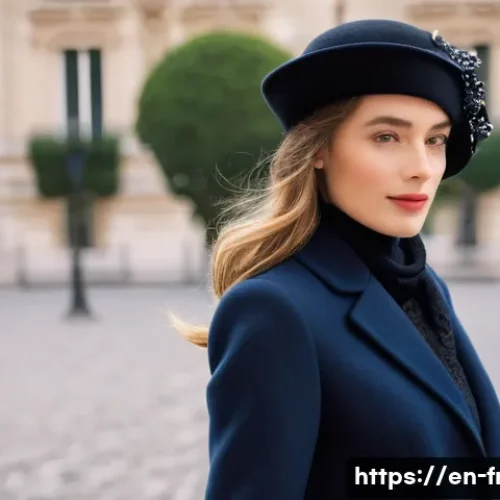
프랑스어 패션 용어 정리 - A sophisticated French woman standing on a Parisian street wearing a classic "tailleur" — a fitted, ...

Fashion lovers know that French terminology holds a special place in the style world, adding elegance and precision to how we describe clothing and trends.

프랑스어 패션 용어 정리 관련 이미지 1

Whether you’re diving into haute couture or exploring everyday chic, understanding these terms can elevate your fashion vocabulary and appreciation. With the global influence of Paris as the fashion capital, these words often pop up in magazines, blogs, and runway reports.

Getting familiar with them not only boosts your style confidence but also connects you to the rich history and artistry behind the garments. Ready to sharpen your fashion lexicon?

Let’s dive in and explore these essential French fashion terms in detail!

Mastering the Art of French Fashion Vocabulary

Understanding Key Garment Terms

When you start exploring French fashion terminology, the first step is getting comfortable with the names of common clothing pieces. Words like “robe” for dress, “blouse” for a lightweight top, or “jupe” for skirt might seem simple, but they carry nuances in style and cut that reflect centuries of French tailoring expertise.

For example, a “tailleur” isn’t just any suit—it specifically refers to a woman’s tailored suit, often featuring a fitted jacket and skirt, embodying both elegance and professionalism.

Knowing these terms helps you visualize an outfit more vividly and can even guide your shopping experience, especially when browsing French or European brands online.

Exploring Fabric and Texture Descriptions

French fashion terms extend beyond just garment names; they richly describe fabrics and textures, which are crucial for appreciating the quality of a piece.

Terms like “laine” (wool), “soie” (silk), and “dentelle” (lace) instantly conjure an image of texture and feel. When a fabric is described as “velours,” it’s velvet—luxuriously soft and often used in evening wear.

These words help fashion enthusiasts not only identify materials but also understand their typical uses and maintenance. Personally, I’ve found that knowing these terms makes it easier to communicate with boutique staff or tailors when seeking specific textures or finishes, which can make all the difference in finding that perfect item.

Decoding Style and Cut

French fashion vocabulary also excels in describing the silhouette and tailoring of garments. Terms like “évasé” refer to flared cuts, often used in skirts or dresses, giving a sense of movement and femininity.

“Cintré” means fitted or tailored to hug the body closely, a staple in French chic that emphasizes natural lines without excess fabric. Then there’s “ample,” which means loose or roomy, often associated with casual or avant-garde styles.

Understanding these terms allows you to appreciate the subtle differences in design that make each piece unique. When I first learned these, it was like unlocking a new way to see fashion—not just as clothing but as an art form shaped by deliberate cuts and shapes.

Advertisement

French Terms for Fashion Details and Accessories

Recognizing Decorative Elements

French fashion isn’t just about garments; it’s also about the exquisite details that elevate an outfit. Words like “bouton” (button), “dentelle” (lace), and “broderie” (embroidery) highlight embellishments that can turn a simple dress into a statement piece.

For example, “passementerie” refers to ornamental trimmings like tassels or braids, often found in haute couture collections. These details aren’t mere decorations—they represent craftsmanship and heritage.

I remember attending a fashion exhibit where the guide explained how “galon,” a type of decorative braid, was historically used to signify rank and social status, which made me appreciate these elements on a whole new level.

Understanding Accessories Vocabulary

Accessories hold a prominent place in French fashion culture, and their terms are just as important to know. Words like “écharpe” (scarf), “chapeau” (hat), and “gant” (glove) appear frequently in style discussions and runway reviews.

Each accessory carries its own connotations; for example, a “béret” is the quintessential French beret that instantly adds a Parisian flair. Knowing these terms helps you identify and collect pieces that complete your look with authenticity.

From personal experience, adding a “foulard” (silk scarf) to an outfit can effortlessly elevate a casual look to something polished and timeless.

Glossary of Common French Fashion Accessories

French Term English Translation Typical Use
Écharpe Scarf Wrap around the neck for warmth or style
Béret Beret Soft, round hat symbolizing French chic
Gant Glove Hand covering, often leather or fabric, for elegance
Foulard Silk scarf Lightweight accessory, worn around neck or head
Chapeau Hat General term for headwear, from casual to formal
Advertisement

The Language of Fashion Seasons and Collections

Deciphering Seasonal Terms

French fashion terms also play a critical role in describing the rhythm of the fashion calendar. Words like “printemps” (spring), “été” (summer), “automne” (autumn), and “hiver” (winter) accompany collections and trends.

When designers announce “collection printemps-été,” it refers to the spring-summer line, typically featuring lighter fabrics and brighter colors. These seasonal markers are essential for understanding the context and intended use of garments.

I’ve noticed that following these terms closely helps me plan purchases and wardrobe updates according to upcoming trends and weather changes, making my style both practical and fashionable.

Understanding Types of Collections

Beyond seasons, French terms describe the nature of collections themselves. “Prêt-à-porter” means ready-to-wear, the line of clothes produced in standard sizes for retail, as opposed to “haute couture,” which is custom-made, high-end fashion.

The phrase “capsule collection” refers to a small, limited edition line focusing on a specific theme or collaboration. Knowing these distinctions is crucial when reading fashion reports or shopping because it affects pricing, exclusivity, and quality.

From my own experience, shopping “prêt-à-porter” allows for accessible fashion statements, while appreciating “haute couture” collections deepens your respect for artisanal craftsmanship.

Spotting Trend-Related Vocabulary

French fashion also introduces trend-related vocabulary that surfaces in magazines and blogs. Terms like “tendance” (trend), “classique” (classic), and “avant-garde” (innovative or experimental) describe the style direction.

A piece labeled “classique” might never go out of style, while “avant-garde” pushes boundaries with bold designs. Understanding these words lets you navigate fashion conversations with ease and decide whether to invest in timeless pieces or trendy experiments.

Personally, I balance my wardrobe by mixing both, knowing when to embrace the avant-garde or stick with classics for longevity.

Advertisement

French Terminology in Footwear and Outerwear

Footwear Vocabulary Essentials

French words for shoes and boots are just as refined as the garments they complement. Terms like “chaussures” (shoes), “bottes” (boots), and “escarpins” (pumps) frequently pop up in fashion discussions.

The word “mocassin” refers to loafers, a staple in French casual elegance. I recall trying on “escarpins” for a formal event and being impressed by how the term alone conjured a sleek, sophisticated image that aligned perfectly with the shoe’s design.

Familiarity with these terms helps you appreciate style nuances and communicate preferences when shopping or browsing online.

Outerwear Expressions and Their Flair

Outerwear vocabulary in French captures the essence of style and function. Words like “trench” (trench coat), “manteau” (coat), and “cape” (cape) describe essential layers in a wardrobe.

The “parka,” originally a military-style coat, now blends utility with fashion. Knowing these terms allows you to identify not just the garment but its heritage and typical styling cues.

I’ve found that understanding the difference between a “trench” and a “manteau” helps me pick the right piece for different occasions—whether it’s a casual rainy day or a formal winter outing.

Material and Design Features in Outerwear

Descriptions often include materials and design details like “cuir” (leather), “laine” (wool), or “doublure” (lining). For instance, a “manteau en laine” signals a wool coat, which hints at warmth and texture, while “doublure en soie” suggests a silk lining, adding luxury inside the garment.

These details matter when considering comfort and style. I remember buying a wool coat with a silk lining, and the difference it made in how the coat felt against my skin was remarkable—just knowing these terms beforehand made the shopping experience so much smoother.

Advertisement

French Phrases for Tailoring and Fit

Common Tailoring Expressions

프랑스어 패션 용어 정리 관련 이미지 2

Tailoring is where French terminology truly shines with precision. Words like “ourlet” (hem), “couture” (seam or sewing), and “revers” (lapel) describe essential garment construction elements.

A “pinces” refers to darts, which shape the fabric to fit curves perfectly. When I first learned these terms, it transformed how I understood garment construction and even helped when I needed minor alterations.

Explaining what I wanted to a tailor became much easier, and the results were always spot on.

Describing Fit and Adjustments

Fit-related terms such as “ajusté” (fitted), “ample” (loose), and “taille haute” (high waist) guide you in selecting pieces that suit your body type and style preferences.

For example, “taille basse” means low waist, often seen in casual trousers or jeans. Knowing these expressions helps you avoid surprises when trying on clothes, especially when shopping internationally.

I recall a moment when I misunderstood “taille haute” and bought pants that sat too high for my comfort—after that, I made it a point to memorize these key terms to save time and frustration.

Tips for Using Tailoring Vocabulary When Shopping

When shopping, using French tailoring terms can be a game changer. If you want a “cintré” jacket, specifying that helps sales associates quickly understand your needs.

Even if you don’t speak French fluently, sprinkling these words into your conversation conveys sophistication and shows you know your fashion basics. From personal experience, this little effort often leads to better customer service and sometimes even insider tips about upcoming sales or special items.

Advertisement

French Influence on Global Fashion Terminology

How French Terms Shape International Fashion

French fashion words have seeped into global fashion lexicons because Paris is the epicenter of style innovation. Terms like “boutique,” “couture,” and “prêt-à-porter” are universally recognized and used in English-speaking fashion circles.

This blending shows the power and prestige of French fashion culture. I often notice fashion bloggers and stylists using these terms naturally, which adds an air of sophistication and authority to their commentary.

It’s fascinating how one language can influence how the entire world talks about style.

Adopting French Terms in Everyday Fashion Talk

Even outside of professional circles, many fashion enthusiasts casually incorporate French terms. Saying something like “I love that blouse’s drapé” or “this trench coat is so chic” brings a bit of Parisian flair to everyday conversations.

It’s like a secret code that connects you to a global community of style lovers. Personally, I enjoy dropping these words because it sparks curiosity and sometimes leads to great conversations with fellow fashion fans who appreciate the same references.

French Fashion Words That Became English Staples

Several French words have been fully adopted into English fashion vocabulary. “Beret,” “lingerie,” “silhouette,” and “ensemble” are just a few examples.

These words have retained their original charm and precision, enriching English with a touch of elegance. Knowing these terms not only improves your fashion discussions but also helps you appreciate the cultural exchange between languages.

I find it rewarding to trace the origins of such words and see how they evolved from Parisian ateliers to your local boutique.

Advertisement

Practical Tips for Remembering and Using French Fashion Terms

Engaging with Fashion Media

One of the best ways to internalize French fashion vocabulary is by immersing yourself in French fashion magazines, runway videos, and blogs. Listening to how these terms are pronounced and used in context helps solidify your understanding.

I’ve spent hours watching Paris Fashion Week coverage and reading Vogue Paris, which not only expanded my vocabulary but also gave me a real sense of the style nuances behind the words.

This immersive approach makes learning feel natural and enjoyable rather than forced.

Applying Terms in Daily Style Choices

Try incorporating French fashion words into your daily wardrobe decisions or when describing your outfits to friends. For example, you might say, “Today, I’m going for a cintré look with a wool manteau and silk foulard.” Using the terms actively helps commit them to memory and makes your style conversations more vibrant and precise.

I’ve noticed that the more I use these words, the more confident I feel in my fashion knowledge, which translates into bolder style choices.

Creating a Personal Glossary

Keeping a personal list or digital note of French fashion terms you encounter can be incredibly helpful. Add definitions, example sentences, or even photos of the garments or accessories they describe.

Over time, this personalized glossary becomes a handy reference that grows with your fashion journey. I started one a few years ago, and it’s become my go-to tool when shopping or writing about style.

It’s like having a mini fashion dictionary tailored just for you.

Advertisement

글을 마치며

Mastering French fashion vocabulary opens a doorway to deeper appreciation and more confident style choices. By understanding key terms for garments, fabrics, accessories, and tailoring, you gain insight into the artistry behind French fashion. This knowledge not only enriches your shopping experience but also connects you with a global community of style enthusiasts. Embrace these words as tools to express your fashion sense with flair and authenticity.

Advertisement

알아두면 쓸모 있는 정보

1. Familiarizing yourself with French fashion terms enhances your ability to shop internationally and communicate effectively with boutique staff or tailors.

2. Knowing fabric and texture vocabulary helps you make informed decisions about garment care and quality.

3. Understanding seasonal and collection terminology allows you to stay ahead of trends and plan your wardrobe strategically.

4. Using French accessory names can elevate your style conversations and add a sophisticated touch to your daily outfits.

5. Creating a personal glossary of terms and engaging with French fashion media are practical ways to retain and apply this vocabulary.

Advertisement

중요 사항 정리

Grasping French fashion vocabulary is more than memorizing words—it’s about experiencing the culture and craftsmanship behind each term. Whether it’s the precise cut of a “tailleur,” the luxurious feel of “soie,” or the elegance of a “béret,” these expressions bring fashion to life. Regularly using and exploring these terms enhances your style fluency, making shopping and styling more intuitive and enjoyable. Remember, incorporating this language into your fashion journey is a rewarding way to connect with a timeless tradition of elegance and creativity.

Frequently Asked Questions (FAQ) 📖

Q: Why is French terminology so important in the fashion industry?

A: French terms carry a certain elegance and specificity that perfectly capture the nuances of style and design. Because Paris has been a global fashion capital for centuries, many foundational concepts, techniques, and garment types originated there, making French the language of choice for expressing refined fashion ideas.
Using these terms not only helps you communicate more precisely but also connects you to the rich cultural history behind the clothing, giving you a deeper appreciation for the artistry involved.

Q: How can learning French fashion terms improve my personal style?

A: When you understand terms like “haute couture,” “prêt-à-porter,” or “chic,” you gain insight into different fashion categories and styles, which helps you make smarter shopping decisions and put together more cohesive outfits.
For example, knowing that “haute couture” refers to custom-fitted, high-end fashion can guide you in recognizing pieces that are unique and meticulously crafted versus off-the-rack items.
This knowledge boosts your confidence and allows you to discuss fashion more fluently, whether with friends, stylists, or in social settings.

Q: Are these French fashion terms only relevant for high fashion, or do they apply to everyday clothing too?

A: While many French terms originate from haute couture and runway contexts, they absolutely apply to everyday fashion as well. Words like “ensemble” (an outfit), “accessoires” (accessories), or “silhouette” (the overall shape of an outfit) are used to describe daily looks just as much as luxury ones.
Embracing these terms can help anyone—from casual dressers to style enthusiasts—better articulate their wardrobe choices and understand fashion trends at any level.

📚 References


➤ Link

– Google Search

➤ Link

– Bing Search

➤ Link

– Google Search

➤ Link

– Bing Search

➤ Link

– Google Search

➤ Link

– Bing Search

➤ Link

– Google Search

➤ Link

– Bing Search

➤ Link

– Google Search

➤ Link

– Bing Search

➤ Link

– Google Search

➤ Link

– Bing Search

➤ Link

– Google Search

➤ Link

– Bing Search

➤ Link

– Google Search

➤ Link

– Bing Search