Decoding French Culture: Insider Secrets You Can’t Afford to Miss

webmaster

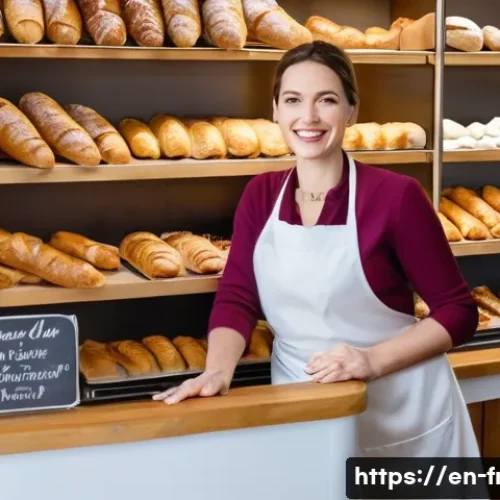
프랑스어 프랑스 문화 이해 - **A Genuine "Bonjour" in a French Boulangerie:**
    **Prompt:** A warm and inviting scene inside a ...

Bonjour, mes amis! Have you ever found yourself dreaming of sipping coffee at a Parisian café, effortlessly chatting with locals, or truly understanding the witty banter in a French film?

프랑스어 프랑스 문화 이해 관련 이미지 1

I know I have! For years, I’ve been absolutely captivated by France – its vibrant history, its stunning art, and of course, its incredibly rich language.

But let’s be honest, truly immersing yourself in a new culture, especially one as deep and layered as France’s, goes far beyond just learning a few phrases from an app.

It’s about grasping the unwritten rules, the subtle gestures, and the charming quirks that make daily life there so uniquely beautiful. I’ve personally found that the more you dig into the heart of French culture, the more rewarding and utterly delightful your experiences become.

Whether you’re planning a trip, learning the language, or just curious about the world, understanding France is a journey that will open your mind in unexpected ways.

It’s not just about grammar rules; it’s about connecting with people, understanding their humor, and appreciating their way of life. Trust me, the effort is entirely worth it for the rich experiences you’ll gain.

Below, we’re going to uncover exactly what makes French culture so captivating and how you can truly understand it.

Mastering the Subtle Art of French Social Graces

Oh là là, where do I even begin with the wonderful intricacies of French social graces? It’s not just about saying “please” and “thank you” – though those are absolutely crucial, believe me!

When I first started spending time in France, I felt like I was constantly picking up on unspoken cues, and honestly, it was a beautiful learning curve.

It’s about a respectful elegance that permeates daily interactions, whether you’re at the boulangerie or meeting someone for the first time. I quickly learned that a genuine “Bonjour” accompanied by a direct, polite gaze can open so many doors, far more than stumbling through a complex sentence ever could.

The French truly appreciate effort and sincerity, and they notice when you’re trying to engage with their customs. It’s a dance, really, of politeness and subtle observation.

You’ll find that taking a moment to acknowledge everyone in a room, even with a simple nod and a smile, can make a world of difference. It’s this quiet acknowledgment of presence that sets the tone for everything else.

I’ve often thought that this attention to detail in social interactions is a reflection of their appreciation for beauty and order in life, from art to architecture.

It’s about creating a harmonious atmosphere, even in the most mundane moments. Trust me, embracing these small gestures isn’t just about fitting in; it’s about enriching your own understanding of courtesy and connection.

It transformed my entire experience there, making me feel less like a tourist and more like an invited guest.

The Magic of “Bonjour” and “Au Revoir”

Seriously, these two phrases are your golden tickets! You might think it’s obvious, but the consistency with which the French use “Bonjour” (and “Bonsoir” in the evening) and “Au Revoir” is something I absolutely adore.

Every single time you enter a shop, a cafe, a post office – you name it – you greet the person behind the counter. And when you leave, you say goodbye.

It’s not optional; it’s just how it’s done. I remember once, early in my travels, I walked into a small boutique, eager to browse, and went straight to the racks.

The shopkeeper just stood there, looking at me. It wasn’t until I made eye contact and offered a hearty “Bonjour Madame!” that she softened, smiled, and then graciously asked if I needed help.

It was a lightbulb moment for me! It’s not just a greeting; it’s an acknowledgement of another person’s presence and a sign of respect. This small act of civility establishes a positive interaction from the get-go.

Neglecting it can sometimes be perceived as rude or dismissive, and believe me, you don’t want to start on the wrong foot, especially when you’re trying to order that perfect croissant.

Navigating the Kiss on the Cheek (La Bise)

Ah, *la bise*! This one can be a real head-scratcher for newcomers, and it certainly was for me. It’s that wonderfully charming cheek-kiss greeting, typically between friends and acquaintances, and sometimes even when meeting someone for the first time in an informal setting.

The number of kisses varies by region – sometimes two, sometimes three, even four! My tip? Always wait for the other person to initiate and offer their cheek first.

I’ve definitely had a few awkward moments where I leaned in one way, and they leaned the other, resulting in a comical nose-to-nose encounter! It’s all part of the fun though, isn’t it?

The key is to go with the flow. If someone extends their cheek, gently reciprocate. It’s a warm, personal greeting that signifies a level of familiarity and warmth.

Don’t stress too much about getting it “perfect” – your willingness to engage in their custom is what truly matters. It’s a beautiful way to connect, once you get the hang of it, and it feels incredibly authentic.

Savoring the French Table: More Than Just Food

When I think about French culture, my mind invariably drifts to food – but it’s so much more than just sustenance; it’s a profound cultural institution, a daily ritual, and an art form all its own.

Eating in France, whether it’s a quick lunch or a leisurely dinner, is an experience designed to be savored. It’s about the quality of the ingredients, the presentation, the company, and the conversation that flows around the table.

My absolute favorite part is how they truly slow down and appreciate each meal. There’s no rushing, no scarfing down food while glued to a screen. It’s a time for connection, for discussion, for enjoying life’s simple pleasures.

I’ve spent countless hours at French tables, from bustling Parisian brasseries to quiet family homes in the countryside, and each time, I’m struck by the reverence they have for their culinary traditions.

It’s a deeply ingrained part of their identity, a source of immense national pride. And believe me, once you experience it, you’ll never look at a meal the same way again.

It transforms eating from a necessity into a joyful, communal event.

Decoding Restaurant Etiquette and Meal Times

French meal times can take a bit of getting used to, especially if you’re accustomed to grabbing dinner at 5 PM! Lunch typically starts around noon or 1 PM, and dinner rarely kicks off before 7:30 PM, often closer to 8 or 9 PM, especially in big cities.

Restaurants usually stick to these schedules, and you might find kitchens closed between services. When dining out, remember that meals are meant to be lingered over.

Don’t expect your check to be brought to you automatically; it’s considered rude to rush diners. You’ll need to politely ask for “l’addition, s’il vous plaît.” Tipping is generally less extravagant than in places like the US; service is usually included (“service compris”), but leaving a few extra euros for excellent service is always appreciated.

I remember once, completely forgetting the time difference, I showed up at a lovely bistro at 6 PM, practically famished. The waiter, with a wry smile, simply said, “The kitchen is resting, Madame.” Lesson learned!

Enjoy the pace, relax, and let the culinary journey unfold naturally.

The Sacred Ritual of Apéro and Coffee Breaks

If there’s one French tradition I’ve wholeheartedly adopted into my own life, it’s *l’apéro* – the aperitif. It’s not just a pre-dinner drink; it’s a social occasion, a moment to unwind, chat, and stimulate the appetite.

Typically enjoyed in the early evening, it involves drinks like pastis, kir, or wine, accompanied by small snacks like olives, nuts, or charcuterie. It’s a fantastic way to transition from the workday to the evening, and it’s deeply rooted in the French social fabric.

Similarly, coffee breaks are sacred. It’s rarely about a giant, takeout cup of coffee gulped down on the run. Instead, it’s a small, strong espresso (*un café*) enjoyed standing at a bar or sitting at a café terrace, often with a friend, for a few minutes of conversation and people-watching.

I’ve had some of my most delightful, insightful conversations during these impromptu coffee breaks. They’re small pauses that punctuate the day, allowing for reflection and connection, and they truly embody the French art of living well.

Advertisement

Unlocking the Rhythm of French Communication

Diving into French communication can feel like learning a new dance – there are steps, rhythms, and subtle movements you need to master. It’s far more than just vocabulary and grammar; it’s about understanding the nuances, the implied meanings, and the cultural context behind the words.

When I first started learning French, I was so focused on conjugations and vocabulary that I missed so much of the unspoken language. But over time, I’ve realized that the real magic happens when you start to pick up on those subtle cues, the slight hesitation, the raised eyebrow, the way a sentence is structured to convey politeness or emphasis.

The French are incredibly articulate, and their language reflects a precision and a certain elegance that I find utterly captivating. It’s a language that rewards careful listening and thoughtful responses, rather than quick, impulsive chatter.

And honestly, there’s nothing more rewarding than holding a genuine conversation in French, feeling that connection when you truly understand each other.

From Formal “Vous” to Familiar “Tu”: When to Switch

This is probably one of the trickiest, yet most important, aspects of French communication for non-natives. The choice between “vous” (the formal “you”) and “tu” (the informal “you”) isn’t just a grammatical rule; it’s a social indicator that reflects respect, distance, or intimacy.

Generally, you start with “vous” when addressing someone you don’t know, someone older, someone in a position of authority, or when in a professional setting.

You only switch to “tu” when invited to do so, or when a clear level of familiarity has been established. I once made the mistake of “tutoyer-ing” a shopkeeper after only a brief interaction, and I could immediately feel a slight shift in her demeanor – a subtle stiffening, a coolness that wasn’t there before.

It was a clear, non-verbal correction! When in doubt, always default to “vous.” It’s a sign of respect, and it’s always better to be too formal than too informal.

When someone offers you the “tu,” it feels like a lovely invitation, a small but significant step into a deeper connection.

Understanding Directness vs. Implied Meanings

French communication often operates on a different wavelength than what some English speakers might be used to, particularly Americans. While it can sometimes seem direct, there’s also a subtle art to implied meaning and understated expression.

The French are masters of irony and wit, and often, what is *not* said is just as important as what *is* said. I’ve found that they tend to value precision in language, but that precision can sometimes be wrapped in a layer of polite indirection.

For instance, a “perhaps” might mean “no,” and a “we’ll see” might mean “unlikely.” It requires a bit of detective work and a keen ear for context and tone.

I learned early on not to take everything at face value, but to listen for the deeper sentiment. It’s not about being deceptive; it’s about a cultural preference for expressing things with a certain elegance and nuance, allowing the listener to infer.

It’s a fascinating aspect of their communication style that makes conversations feel like a subtle intellectual exercise.

Embracing the Parisian Pace and Beyond

When people talk about France, Paris often comes to mind first, and for good reason – it’s a breathtaking city. But the “Parisian pace” isn’t just about the speed of life in the capital; it’s a philosophy that touches on how time is valued and spent across much of the country.

It’s a beautiful departure from the constant rush many of us experience. While Parisians can be incredibly efficient and purposeful, there’s also an inherent appreciation for slowing down, for savoring moments, and for valuing leisure.

It’s not uncommon to see people lingering over coffee for an hour, or enjoying a three-course lunch without glancing at their watch. This emphasis on quality of life and present moment awareness is something I’ve really grown to appreciate and try to emulate.

It allows for a richness in daily experience that’s often lost when we’re constantly chasing the next task. Beyond Paris, this pace often becomes even more pronounced, with regional variations offering unique rhythms of life.

The Charm of Taking Your Time: Flânerie

If there’s one concept that perfectly encapsulates the French approach to life, it’s *flânerie*. It’s the art of strolling, of wandering aimlessly with no particular destination, simply observing and absorbing the world around you.

It’s not about exercising; it’s about experiencing. I absolutely adore *flânerie*! It’s something I first observed in Paris, watching people meander through the Marais or along the Seine, truly seeing their surroundings.

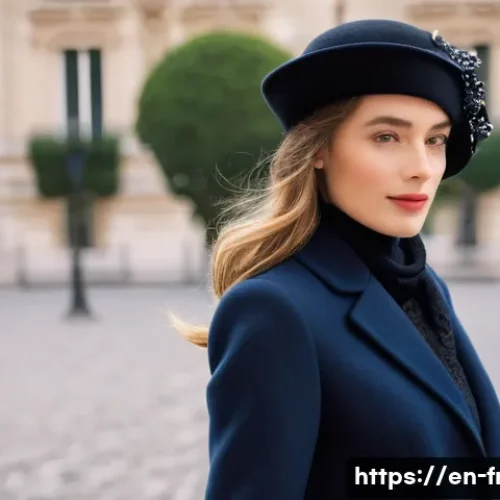
프랑스어 프랑스 문화 이해 관련 이미지 2

I tried it myself, and it was transformative. Instead of rushing from one landmark to another, I started noticing the intricate details of architecture, the vibrant life spilling out of cafes, the subtle changes in light.

It’s a mindful practice that encourages you to be fully present, to engage all your senses, and to let your curiosity lead the way. This isn’t just a Parisian habit; it’s a cultural value that extends to how people approach their day-to-day.

It’s about making time for beauty and reflection, a concept I think we could all benefit from.

Public Transport and Pedestrian Etiquette

Navigating public transport in France, particularly in cities like Paris, is an essential part of getting around, and it comes with its own set of unwritten rules.

While subways (the Métro) can be crowded, there’s generally an unspoken decorum. People typically queue, albeit sometimes loosely, and will often offer their seats to the elderly, pregnant women, or those with young children.

Don’t block the doors, and try to keep your voice down, especially during peak hours. As for pedestrians, crossing the street can be an adventure! While there are designated crosswalks, you’ll find that traffic often moves quickly, and sometimes pedestrians are expected to assert themselves slightly.

It’s not aggressive, but a confident stride is often more effective than hesitant dawdling. I’ve learned to make eye contact with drivers and step out with a certain conviction.

It’s a dynamic interplay between vehicles and people that requires a bit of assertive awareness, but it’s all part of the vibrant urban dance.

Advertisement

Fashion, Style, and the Effortless French Aesthetic

Let’s talk about French style, because honestly, who doesn’t admire that seemingly effortless chic? It’s not about following fleeting trends or wearing designer labels head-to-toe; it’s about an innate sense of personal style, a careful curation of classic pieces, and an understanding of what truly suits you.

When I first visited, I expected everyone to be dressed like they were stepping off a runway. What I found was something far more subtle and inspiring.

It’s about quality over quantity, timelessness over trendiness, and an air of quiet confidence. The French approach to fashion taught me so much about building a versatile wardrobe and investing in pieces that make you feel good, rather than just buying what’s “in.” It’s less about trying hard and more about owning your look with a comfortable self-assurance.

This philosophy isn’t just for clothes; it extends to their homes, their art, and their overall aesthetic – a beautiful blend of tradition and understated modernity.

Dressing the Part: Casual Chic vs. Overdressing

The sweet spot in French fashion is often “casual chic.” Think well-fitted jeans, a crisp button-down shirt, a classic blazer, and comfortable yet stylish shoes.

It’s about looking put-together without appearing overly formal or, conversely, too sloppy. You’ll rarely see sweatpants or overly casual athletic wear outside of a gym.

Even for a casual outing, there’s an attention to detail. Overdressing can sometimes feel out of place, making you stand out in a way that the French generally avoid.

They prefer to blend in gracefully. I remember making the mistake of wearing a rather flashy outfit for a casual lunch, and I felt instantly self-conscious.

Everyone else looked so understatedly elegant! My advice? Focus on clean lines, neutral colors, and high-quality fabrics.

A good scarf, a well-chosen bag, and comfortable, stylish shoes are your best friends. It’s about appearing polished and thoughtful in your choices.

Confidence is Your Best Outfit: French Style Lessons

Beyond the clothes themselves, the most profound lesson I’ve learned from French style is that confidence is truly your best accessory. French women, in particular, exude an air of self-assurance and an understanding of their own body and style.

They carry themselves with poise, and that’s what makes even the simplest outfit look incredible. It’s not about being flamboyant or attention-seeking; it’s about a quiet, inner self-possession.

They often invest in pieces that flatter their figure and make them feel good, rather than trying to conform to external pressures. This sense of self-awareness and comfort in one’s own skin is palpable and incredibly attractive.

I’ve found that when I dress in a way that makes *me* feel confident and comfortable, it shows, and that’s the true secret to French chic. It’s a mindset as much as it is an aesthetic.

The French Sense of Humor: A Quirky Delight

French humor, for many newcomers, can be a delightful puzzle to solve. It’s often subtle, intelligent, and sometimes a touch cynical or ironic, which can be a stark contrast to more overt or slapstick forms of humor.

When I first started engaging in conversations, I sometimes missed the punchline entirely, only realizing it much later with a sudden “aha!” moment. But once you start to grasp it, it’s truly wonderful.

It’s not always about big laughs; it’s more about a wry observation, a clever turn of phrase, or a witty retort that makes you smile knowingly. The French appreciate wordplay and intellectual humor, and there’s a certain joy in the challenge of keeping up.

It’s a key part of connecting with people and understanding their worldview, and honestly, a shared laugh is one of the quickest ways to bridge cultural gaps.

It’s made me listen more closely, think more deeply, and appreciate the cleverness embedded in everyday conversation.

Sarcasm and Wit: It’s Not Always What It Seems

French humor often leans heavily on sarcasm, irony, and wit. It’s rarely mean-spirited, but it can be pointed and very clever. You might encounter situations where a seemingly serious statement is actually laced with humor, or a compliment is delivered with a playful jab.

This can be tricky to navigate, especially if you’re not fully accustomed to the language or the cultural context. I’ve definitely had moments where I took something literally that was clearly meant to be humorous!

The key is to pay attention to tone of voice, facial expressions, and the general context of the conversation. The French also love a good pun (*jeu de mots*), so if you hear someone chuckle at something that seems innocuous, it might be a subtle play on words.

Don’t be afraid to ask for clarification if you’re unsure; often, explaining the joke just adds to the fun. It’s a delightful challenge that adds so much depth to interactions.

Finding Joy in the Everyday: A French Perspective

Beyond the witty banter and subtle sarcasm, there’s a deeply ingrained French appreciation for finding joy and beauty in the everyday. This isn’t necessarily a form of humor, but it underpins their often-lighthearted approach to life.

It’s the pleasure derived from a perfect croissant, a well-made coffee, a beautiful view, or a stimulating conversation. There’s a certain *joie de vivre* that permeates many aspects of French culture, a conscious effort to savor and appreciate the small moments that make up life.

This appreciation can sometimes manifest in a dry wit or an understated comment that acknowledges the absurdities of life with a gentle smile. It’s about observing the world with a discerning eye and finding the humor and beauty in its imperfections.

I’ve found that embracing this perspective has made my own daily life richer, encouraging me to look for those small moments of delight, just as the French do.

Cultural Aspect What to Do What to Avoid My Personal Takeaway
Greetings Always say “Bonjour” or “Bonsoir” upon entering any establishment and “Au Revoir” when leaving. Make eye contact. Walking into a shop and immediately browsing without a greeting. A simple “Bonjour” truly opens doors and sets a respectful tone for any interaction. It’s non-negotiable!
Dining Savor your meal, expect longer dining times. Ask for “l’addition, s’il vous plaît” for the check. Rushing through your meal, expecting the check to be brought immediately. Meals are events, not just fuel. Embrace the slowness and the conversation.
“Tu” vs. “Vous” Start with “Vous” for strangers, elders, or professionals. Wait to be invited to use “Tu.” Automatically using “Tu” with someone you’ve just met or in a formal setting. When in doubt, always use “Vous.” It’s a sign of respect, and it’s always better to be too formal.
Public Behavior Be polite and generally keep your voice down on public transport. Dress smart-casual. Being overly loud in public, wearing overly casual attire like sweatpants outside. Blending in gracefully means respecting the unspoken rules of public decorum and dressing thoughtfully.
Humor Appreciate wit, irony, and subtle sarcasm. Listen for wordplay. Taking everything literally, especially sarcastic remarks. French humor is a delightful mental exercise. Once you get it, it adds so much richness to conversations.
Advertisement

Wrapping Up Our French Rendezvous

Wow, what a journey we’ve had exploring the enchanting world of French social graces, hasn’t it? Diving into these cultural nuances has truly been one of the most enriching parts of my own travel adventures.

It’s so much more than just a set of rules; it’s about understanding a beautiful way of life that values connection, respect, and a certain *joie de vivre*.

I genuinely believe that by embracing these customs, even the smallest gestures, you’ll find your experiences in France transform from merely visiting to truly *living* the French dream.

It’s about opening yourself up to new perspectives and allowing these subtle interactions to deepen your appreciation for everything this incredible country has to offer.

Trust me, the effort is incredibly rewarding, and you’ll come away with memories and connections that last a lifetime.

Useful Insights to Elevate Your French Experience

1. Always initiate greetings with a polite “Bonjour” or “Bonsoir” when entering a shop, restaurant, or even just passing someone in a common area. It’s a fundamental sign of respect and politeness.

2. When dining out, remember that meals are meant to be savored. Don’t rush, and you’ll generally need to ask for “l’addition, s’il vous plaît” (the check, please) when you’re ready to leave, as it won’t be brought automatically.

3. Navigating the “tu” vs. “vous” dilemma can be tricky, but defaulting to “vous” with strangers, elders, or professionals is always the safest and most respectful approach. Wait for an invitation to switch to “tu.”

4. Embrace the art of *flânerie* – aimless strolling and observation. It’s a wonderful way to soak in the atmosphere, appreciate the beauty around you, and experience the local pace of life without a strict itinerary.

5. While French humor can be subtle, often leaning on irony or wit, don’t be afraid to engage! Listen for nuances in tone and expression; a shared laugh, even over a clever pun, is a fantastic way to connect with locals.

Advertisement

Key Takeaways for a Smooth French Sojourn

French social graces are truly an integral part of experiencing the culture authentically, and honestly, they’ve taught me so much about mindful interaction.

The essence lies in a deep respect for others and a valuing of tradition and elegance in daily life. From the unwavering importance of a simple “Bonjour” to the nuanced art of *la bise* and the sacred ritual of meal times, these customs aren’t just arbitrary rules; they’re expressions of a rich heritage.

My personal journey has shown me that actively engaging with these traditions, even when they feel a little different, transforms your visit into a much more profound and personal adventure.

Remember, patience, keen observation, and a genuine willingness to connect are your greatest assets, allowing you to not just observe French life, but to truly become a part of its captivating rhythm, even if just for a little while.

Frequently Asked Questions (FAQ) 📖

Q: How can I really move past just learning French words and truly get the culture, beyond what an app teaches me?

A: Oh, I totally get this feeling! We’ve all been there, diligently memorizing vocabulary, only to find ourselves a bit lost when confronted with real-life French conversations.
From my own experiences, the biggest leap from textbook French to truly understanding the culture comes from active immersion and observation. It’s about opening your senses.
Instead of just translating, try to watch French films and TV shows without subtitles (or with French subtitles if you’re feeling ambitious!). Listen to French music, not just for the beat, but for the lyrics and the cultural context they often carry.
I’ve personally found that spending time just people-watching at a Parisian café, observing the interactions, the gestures, the way people carry themselves, tells you so much more than any grammar book ever could.
It’s about picking up on the nuances, the non-verbal cues, and even the subtle humor that makes French communication so rich. Join a local cooking class, visit a marché (market) and try to converse with the vendors, or even volunteer for a local cause if you have the opportunity.
These real-world interactions, even small ones, build a cultural intuition that no app can ever replicate. Trust me, it feels incredibly rewarding when those little “aha!” moments start to click!

Q: What are some of those “unwritten rules” or social customs that are super important for a visitor to know in France?

A: This is such a crucial question, and honestly, it’s where a lot of delightful (and sometimes awkward) learning happens! The French definitely have their distinct ways, and understanding them makes everything so much smoother.
The number one “unwritten rule” I’ve learned is the absolute importance of Bonjour (and Bonsoir). Always, always, always greet someone when you enter a shop, a restaurant, or even just pass someone in a hallway.
A simple “Bonjour Madame/Monsieur” goes a very, very long way. Neglecting this is often seen as quite rude, and I’ve noticed how quickly a shopkeeper’s demeanor can change from cool to friendly just with that simple greeting.
Another big one is dining etiquette. Keep your hands on the table (but not your elbows!), and don’t cut your salad – fold it! Also, don’t expect service to be rushed; meals are meant to be savored.
And when paying, it’s often more common to ask for l’addition (the bill) when you’re ready to leave, rather than having it brought to you automatically.
Punctuality is another interesting one – while being on time is appreciated for business, for social gatherings, being 5-10 minutes late is often considered polite, giving the host a little extra time.
But really, the golden rule I stick to is observation and politeness. When in doubt, watch what others do and always err on the side of courtesy with a well-placed “s’il vous plaît” (please) and “merci” (thank you)!

Q: I want to connect with French people authentically, not just as a tourist. How can I really do that and appreciate their way of life?

A: This is the heart of what makes traveling and experiencing France so magical! To truly connect, you need to show genuine interest and make an effort to engage on their terms.
From my own adventures, the most impactful thing you can do is demonstrate a sincere attempt to speak French, no matter how rudimentary your skills. Even a few basic phrases, delivered with a smile, can open doors to conversations you might not expect.
French people generally appreciate the effort! Beyond language, dive into local life. Instead of only visiting major tourist attractions, spend time in a neighborhood boulangerie (bakery) every morning, or become a regular at a small, family-run café.
These consistent, small interactions often lead to friendly exchanges and a sense of belonging. Ask questions about their local customs, their favorite regional dishes, or even what they think about current events – but always respectfully.
I’ve found that showing curiosity about their history, their art, and even their political landscape, rather than just treating them as backdrops for photos, can forge real connections.
It’s about moving beyond being just an observer to becoming a participant, even in a small way. Be open, be patient, and embrace the unexpected moments – that’s where the real magic of connecting with French culture truly happens.