Surprising French Phrases That Will Elevate Your European Adventure

webmaster

프랑스어 프랑스어권 여행 시 유용한 표현 - **Prompt 1: A Friendly Encounter in Montmartre**
    "A vibrant, high-definition photograph capturin...

Imagine yourself truly stepping into the heart of France, beyond just ticking off landmarks. You’re strolling through a charming Parisian market, ordering a perfect baguette, or even sharing a laugh with a local in a quaint village cafe.

That’s the real magic of travel, isn’t it? From my own adventures, I’ve discovered that knowing even a few French phrases completely transforms your experience, making it far more authentic and memorable.

It’s not just about getting by; it’s about unlocking genuine connections and truly immersing yourself in the rich culture. Ready to elevate your next trip from tourist to cherished guest?

Let’s dive in and explore some essential French phrases together!

Navigating the Streets and Sounds of France

프랑스어 프랑스어권 여행 시 유용한 표현 - **Prompt 1: A Friendly Encounter in Montmartre**
    "A vibrant, high-definition photograph capturin...

When I first ventured through the winding cobblestone streets of Paris, I quickly realized that getting around was about more than just a map; it was about understanding the subtle cues and the rhythm of the city.

There’s a certain thrill in hopping on a Métro and feeling like a true Parisian, or asking for directions and actually understanding the response. My initial attempts were, let’s just say, a bit clunky, but with a few key phrases, I started to unlock the city’s secrets.

It’s not just about reaching your destination, it’s about the journey itself becoming an adventure, where every corner turned and every new interaction enriches your memory bank.

Trust me, the confidence you gain from being able to ask a simple question in French totally changes your experience, turning potentially stressful moments into charming encounters.

It’s truly empowering to navigate unfamiliar territory with a little linguistic prowess, and it opens up so many more spontaneous opportunities you might otherwise miss.

Asking for Directions: Never Get Lost Again

Let’s face it, even with the best GPS, sometimes you just need to ask a local. It’s a moment that can feel daunting, but it’s also a prime opportunity for genuine connection.

I remember being utterly turned around near Sacré-Cœur, and a simple “Excusez-moi, où est la basilique, s’il vous plaît?” (Excuse me, where is the basilica, please?) led to a lovely older gentleman not only pointing the way but also recommending a fantastic creperie nearby.

That’s the magic right there! Don’t be afraid to try; most French people appreciate the effort.

  • (Excuse me, where is…?) – This is your bread and butter.
  • (I’m looking for…) – For when you know the name of the place.
  • (Is it far?) – A good follow-up question.
  • (Straight ahead), (To the left), (To the right) – Listen for these common directional cues.

Public Transport Savvy: Buses, Métros, and Trains

Ah, the Parisian Métro! It’s an icon in itself, and navigating it is a rite of passage. But without a few phrases, you might find yourself staring blankly at ticket machines or missing your stop.

On my first solo trip, I struggled to understand how to buy a ‘carnet’ (a pack of 10 tickets) and nearly missed my train to Versailles. Learning phrases like “Un billet, s’il vous plaît” (One ticket, please) or “Pour quelle direction?” (Which direction?) can save you so much hassle and make your travel smoother, allowing you to focus on the sights rather than the logistics.

It makes you feel so much more integrated into the daily flow of the city.

The Joys of French Cuisine: Ordering Like a Pro

There’s simply no denying it: French food is an experience, not just a meal. From the bustling brasseries to the quaint patisseries, every culinary encounter in France is a chance to indulge your senses.

But to truly savor it, you need to confidently engage with the menu and the staff. My first few times, I’d just point and hope for the best, resulting in some delicious surprises but also a few missed opportunities.

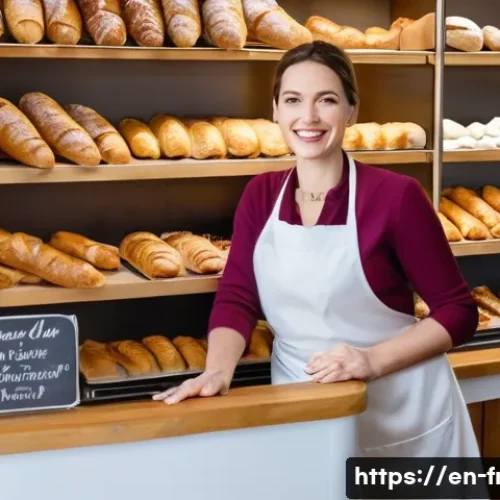
Learning to ask for recommendations or clarify ingredients completely elevated my dining experiences. Imagine walking into a boulangerie, the aroma of fresh bread wafting through the air, and being able to confidently order “Une baguette, s’il vous plaît!” instead of just gesturing.

That feeling of ease and confidence allows you to truly immerse yourself in the moment and enjoy every bite. It transforms eating from a necessity to a delightful interaction.

Decoding the Menu and Making Your Choices

French menus can be a delightful puzzle, filled with words that might not immediately translate. But armed with a few phrases, you can confidently navigate your options.

I’ve learned that asking “Qu’est-ce que vous recommandez?” (What do you recommend?) often leads to discovering hidden gems the locals adore. And if you have dietary restrictions or simply want to know what something is, don’t hesitate to ask.

It ensures you get exactly what you want and avoids any culinary surprises you might not be ready for.

  • (I would like…) – The polite way to order.
  • (What is this?) – Essential for mysterious menu items.
  • (I am vegetarian.) – Important for dietary needs.
  • (The bill, please.) – For when you’re ready to leave.

From Coffee to Croissants: Cafe Culture Essentials

French cafe culture is an art form, a slow dance of sipping coffee and people-watching. To truly fit in, you need to know a few key phrases. Ordering “Un café, s’il vous plaît” might get you an espresso, so if you prefer something else, be specific.

I once ordered “un café” expecting a filter coffee and got a tiny, strong shot – a pleasant surprise, but not what I anticipated! Learning to ask for “Un café au lait” (coffee with milk) or “Un chocolat chaud” (hot chocolate) makes all the difference.

It’s these small linguistic nuances that make you feel less like a tourist and more like someone enjoying the local rhythm.

Advertisement

Unlocking the Secrets of French Shopping and Markets

There’s something incredibly romantic about a French market, isn’t there? The vibrant colors of fresh produce, the tantalizing smells of cheese and charcuterie, the lively chatter of vendors and shoppers.

It’s a sensory feast, and being able to participate, even in a small way, adds so much to the experience. My first time in a small-town market in Provence, I felt a little overwhelmed, but armed with a few numbers and polite inquiries, I was soon haggling (gently, of course!) for a beautiful scarf.

It wasn’t just about the purchase; it was about the friendly interaction, the shared smile, and feeling like I was truly part of the local fabric. This engagement transforms a simple shopping trip into a cultural exchange, and believe me, it’s far more rewarding.

Haggling (or Not!): Market Talk

While aggressive haggling isn’t common in most French shops, at a flea market or a small artisan stall, a polite inquiry about price might be acceptable.

More importantly, it’s about being able to ask about the product itself. “Combien ça coûte?” (How much does it cost?) is your best friend. I’ve found that showing genuine interest in a vendor’s craft, perhaps with a “C’est très beau!” (It’s very beautiful!), can often lead to a more pleasant interaction, and sometimes even a small discount.

It’s all part of the charm of the transaction.

  • (How much does it cost?)
  • (What price is it?)
  • (It’s too expensive.) – Use sparingly and politely!
  • (I would like to buy this.)

Finding What You Need in Shops

Whether you’re looking for a specific souvenir, a bottle of wine, or a simple toiletry item, being able to communicate your needs in a shop makes the experience so much smoother.

Imagine trying to find a specific type of cheese in a bustling fromagerie without being able to ask! I’ve been there, pointing vaguely, and while sometimes charming, it’s far less efficient.

Asking “Où est…?” (Where is…?) for specific items or “Avez-vous…?” (Do you have…?) opens up a world of possibilities and ensures you leave with exactly what you came for.

Building Bridges: Greetings and Small Talk

One of the most profound joys of travel is connecting with people, even if it’s just for a brief moment. In France, politeness goes a long way, and a simple “Bonjour” can open doors – or at least elicit a warm smile.

I’ve discovered that initiating conversations, even with just a few broken phrases, can lead to some truly memorable encounters. I still chuckle recalling my fumbling attempt to chat with a baker about his croissants, which ended with him teaching me a new French idiom and offering me an extra pastry.

These are the moments that truly define a trip, making it feel personal and uniquely yours. It’s not about being fluent; it’s about making the effort to engage, and that effort is always appreciated.

Breaking the Ice: Greetings and Introductions

A well-placed “Bonjour” (Good day) or “Bonsoir” (Good evening) is non-negotiable. It’s not just a greeting; it’s a sign of respect. And if you’re feeling brave, introducing yourself can lead to lovely, albeit brief, conversations.

I’ve found that even a simple “Je m’appelle [Your Name]” (My name is [Your Name]) followed by a question about their day can spark a friendly exchange.

It’s about showing you’re open and willing to connect, which is such a beautiful part of experiencing a new culture firsthand.

Beyond “Bonjour”: Keeping the Conversation Flowing

Once you’ve mastered the greetings, adding a few more phrases can turn a polite nod into a genuine interaction. Asking “Comment allez-vous?” (How are you?) or being able to respond with “Très bien, merci!” (Very well, thank you!) makes a huge difference.

These small conversational bridges make you feel more like a participant in the daily life of France rather than just an observer. It shows you care, and that effort is genuinely felt and reciprocated.

Advertisement

Politeness is Key: Mastering French Etiquette

프랑스어 프랑스어권 여행 시 유용한 표현 - **Prompt 2: Parisian Morning Cafe Scene**
    "A beautifully composed wide shot of a young man, in h...

The French place a high value on politeness, and a few well-chosen words can go a long way in ensuring your interactions are smooth and pleasant. It’s not just about what you say, but how you say it, often accompanied by a genuine smile.

I quickly learned that adding “s’il vous plaît” (please) to every request and “merci” (thank you) to every gesture of kindness isn’t just good manners; it’s expected.

There was one time I almost forgot to say “merci” when a waiter brought my coffee, and I immediately felt a slight chill in the air until I quickly corrected myself.

These phrases are the oil that keeps the social gears turning, and mastering them shows respect for the local culture. It truly enhances every single interaction you have, making your entire trip more agreeable and enjoyable.

The Power of “Merci”: Saying Thank You

“Merci” is more than just “thank you”; it’s a foundational stone of French politeness. Use it generously. (Thank you very much) is for when you’re extra grateful.

I’ve found that a sincere “Merci” accompanied by eye contact can genuinely brighten someone’s day, and it’s amazing how much more helpful and friendly people become when they feel appreciated.

It’s such a simple word, but its impact is profound, cementing positive interactions.

Please and Excuse Me: The Cornerstones of Courtesy

“S’il vous plaît” (please) and “Excusez-moi” (excuse me) are indispensable. Whether you’re asking for something, trying to get past someone in a crowded market, or apologizing for a minor bump, these phrases smooth over potential awkwardness.

I remember accidentally stepping on someone’s foot on the Métro, and a quick “Oh, pardon!” (Oh, pardon!) immediately diffused any tension. These are not just words; they are gestures of respect that are deeply embedded in French social customs.

English Phrase French Translation Pronunciation (Approximate)
Hello/Good day Bonjour bon-zhoor
Good evening Bonsoir bon-swar
Goodbye Au revoir oh rev-war
Please S’il vous plaît seel voo pleh
Thank you Merci mair-see
Excuse me/Pardon me Excusez-moi / Pardon eks-koo-zay mwa / par-don
Yes Oui wee
No Non non
I don’t understand Je ne comprends pas zhe nuh kom-pron pah
Do you speak English? Parlez-vous anglais? par-lay voo zang-gleh?

Handling Unexpected Moments with Grace

Even the most perfectly planned trip can throw a curveball. A missed train, a lost item, a sudden feeling of being unwell – these moments are when a few essential French phrases become not just helpful, but absolutely vital.

There’s a distinct feeling of vulnerability when you’re in a foreign country and something goes awry, and being able to articulate your needs or ask for help can turn a stressful situation into a manageable one.

I distinctly recall misplacing my wallet in a small town and feeling a wave of panic, until I managed to stammer out “J’ai perdu mon portefeuille” at the local gendarmerie.

The relief when they understood and started to help was immense. These are the phrases that provide a safety net, allowing you to travel with a bit more peace of mind and handle whatever comes your way.

When Things Go Wrong: Getting Assistance

It’s never fun to think about, but knowing how to ask for help in an emergency or simply when you’re stuck can be a lifesaver. Whether it’s a medical issue, a travel hiccup, or something lost, having these phrases ready will empower you.

Don’t be shy about practicing them, even if you hope you never need them. It’s about preparedness, and it shows the locals that you’re trying your best to navigate their world, which usually elicits a helpful response.

  • (Help!) – For urgent situations.
  • (I need help.) – A general request for assistance.
  • (I’ve lost my passport.) – For those dreaded moments.
  • (Call a doctor.) – Crucial for health emergencies.

Understanding Responses: Basic Comprehension

Asking for help is one thing, but understanding the answer is equally important! While you might not become fluent overnight, learning to recognize key words like “ici” (here), “là-bas” (over there), “après” (after), or numbers can help you piece together instructions.

I’ve found that even if I only catch fragments, it’s often enough to get the gist, especially if the person is also using gestures. Don’t be afraid to ask them to repeat () or speak more slowly ().

They’ll appreciate your effort to understand.

Advertisement

Beyond the Basics: Enhancing Your Interactions

Once you’ve got the essentials down, you’ll find there’s a whole layer of interaction that opens up, making your French adventures even richer. It’s about moving beyond just transactions to genuinely engaging with the culture and the people around you.

My own journey took a delightful turn when I started experimenting with phrases that expressed appreciation or a little bit of wonder. Instead of just “thank you,” adding a “C’était délicieux!” after a meal, or “C’est magnifique!” when admiring a piece of art, truly shows your engagement.

These are the moments when you stop feeling like a detached observer and start to feel like a cherished guest. It’s about putting a little bit of your heart into your words, and the French, in my experience, respond to that with open arms.

Expressing Delight and Appreciation

Beyond the polite “thank you,” learning to express genuine delight can create truly memorable connections. If you’ve just enjoyed a spectacular meal, a heartfelt “C’était délicieux!” (It was delicious!) will earn you smiles from the chef and staff.

Admiring something beautiful? “C’est magnifique!” (It’s magnificent!) can spark a lovely conversation. These expressions of appreciation show that you’re not just passing through, but truly experiencing and enjoying what France has to offer.

It’s a wonderful way to give back to those who enhance your trip.

Engaging with Culture and Customs

Understanding a bit about French culture helps you navigate social situations smoothly. For instance, always say “Bonjour” when entering a shop and “Au revoir” when leaving.

These small gestures are expected and show respect. I once forgot to say “Bonjour” when entering a tiny bookstore, and the owner gave me a rather stern look until I quickly corrected myself with a sheepish grin and a loud “Bonjour!”.

It’s little things like these that make you feel like you’re truly part of the fabric of daily life, not just an outsider looking in.

Wrapping Things Up

And there you have it, fellow adventurers! My hope is that this little guide has given you a peek into how much a few simple French phrases can transform your journey. It’s not just about getting by; it’s about genuinely connecting with the incredible culture, savoring every moment, and feeling that amazing surge of confidence as you navigate unfamiliar streets and situations. I honestly believe that the effort you put into speaking even a little French comes back to you tenfold in unforgettable experiences and warm interactions. It turns a trip into an authentic immersion, making you feel less like a tourist and more like a cherished guest in this beautiful country. So, next time you’re planning a French getaway, remember these tips and prepare to unlock a whole new level of travel magic!

Advertisement

Handy Tips for Your French Adventure

1. Embrace the “Bonjour” and “Merci” Culture: Seriously, these aren’t just polite words; they’re the keys to positive interactions. I’ve personally seen how a heartfelt “Bonjour” when entering a small shop or a “Merci beaucoup” after a coffee order can instantly warm up the atmosphere. It shows respect for the local customs and opens doors to friendlier service and more genuine exchanges. Think of it as your secret weapon for charming the locals and feeling more at home, instantly. It’s a small effort that yields huge returns, making every daily interaction a pleasant one rather than a transactional one, and truly enriching your travel experience from the get-go. Never underestimate the power of these simple gestures in France; they are fundamental to polite society and will make your entire trip smoother and more enjoyable. It’s genuinely amazing how a little linguistic effort can change the whole vibe of your day.

2. Download Offline Maps and Translation Apps: While learning phrases is fantastic, technology can be a huge backup. Before you leave your accommodation with Wi-Fi, make sure you have Google Maps or a similar app set to offline mode for Paris or whatever city you’re in. Trust me, losing signal in an unfamiliar area can be stressful, and having a map that still works is a lifesaver. Also, a good translation app like Google Translate with offline language packs can help you decipher complex menus or understand longer responses from locals when your basic French hits its limit. I’ve leaned on these more times than I can count, especially when trying to understand bus schedules or ingredients in a new dish. It’s like having a helpful friend in your pocket, ready to assist when you’re truly stumped, giving you an extra layer of confidence as you explore. This combination of tech and linguistic effort is truly the best approach.

3. Always Validate Your Public Transport Tickets: This is one I learned the hard way! On the Métro, you typically insert your ticket at the turnstile, and it’s validated automatically. But on buses and trams, you often need to tap your ticket on a machine inside the vehicle after boarding. If you forget, you could face a hefty fine, and trust me, French ticket inspectors are serious! I once saw a tourist get fined on a tram because they didn’t validate, and it was a real bummer that definitely put a damper on their day. So, pay close attention to the validation machines. If you’re unsure, watch what the locals do, or don’t hesitate to ask a fellow passenger (using one of those polite phrases, of course!). It’s a small detail but a crucial one that can save you a lot of hassle and unexpected expenses during your travels, ensuring your journey remains stress-free and enjoyable.

4. Cash is King in Smaller Establishments and Markets: While major cities and larger stores readily accept credit cards, many smaller boulangeries, local markets, and quaint cafes, especially outside of Paris, prefer or even require cash. I always make sure to have some euros on hand, usually 20-50 EUR, to avoid awkward situations. There’s nothing worse than picking out a delicious pastry or a unique souvenir only to find out they don’t take cards! Plus, paying with cash can sometimes make transactions quicker and smoother, particularly during busy times, and some smaller vendors might even offer a slight discount. It’s also a great way to manage your budget and immerse yourself a little more in the local economy, truly feeling like you’re part of the everyday flow of French life. Always keep a few coins too; they’re perfect for small purchases or public restrooms that sometimes require a small fee.

5. Be Mindful of Meal Times and Opening Hours: French life operates on a slightly different rhythm, especially when it comes to meals and shop hours. Lunch often runs from 12 PM to 2 PM, and dinner typically starts around 7 PM, with many restaurants closing in between. Smaller shops, particularly outside of large city centers, might also close for a couple of hours in the afternoon for a “sieste” or lunch break, especially if they’re family-run. I’ve made the mistake of trying to grab a bite or do some shopping at odd hours and found myself out of luck! Always check opening times, especially for museums or specific stores you want to visit, and remember that many businesses are closed on Sundays or Mondays. Planning your day around these local rhythms will save you frustration and allow you to fully enjoy your experiences without unexpected closures, ensuring you never miss out on that perfect café experience or delightful shop browse.

Key Takeaways

Ultimately, your French adventure will be infinitely richer and more rewarding if you make even a small effort to speak the local language. From effortlessly ordering that perfect croissant to confidently asking for directions when you’re a little lost, those few key phrases transform every interaction from a mere transaction into a genuine connection. It’s about more than just communication; it’s about showing respect, building bridges with locals, and truly experiencing the vibrant heart of France. You’ll find yourself navigating situations with greater ease, enjoying deeper cultural immersions, and creating unforgettable memories that go far beyond the typical tourist traps. So, arm yourself with a little French, open your heart to the culture, and prepare for a journey filled with confidence, charm, and authentic delight. Trust me, the warm smiles you receive back from the locals will be your greatest reward, making every moment of your trip truly special and deeply personal.

Frequently Asked Questions (FAQ) 📖

Q: Do I really need to learn French phrases, or can I just use English in France?

A: Oh, this is such a common question, and I totally get why you’d ask it! While it’s true that in major cities like Paris, especially in tourist-heavy areas, you’ll find many people who speak English, relying solely on it is like watching a movie with the sound off – you’re missing so much of the experience!
From my own travels, I’ve seen firsthand how a simple “Bonjour” or “Merci” can completely change the dynamic. It’s not just about getting understood; it’s about showing respect and making a genuine effort.
I remember one time in a tiny patisserie in Annecy, I fumbled through ordering a croissant in French, and the shopkeeper’s face just lit up. She then happily chatted with me (in a mix of French and a little English) about the best local spots.
That’s the magic! It opens doors to authentic interactions you simply won’t get if you stick to English. Trust me, even a handful of phrases transforms your trip from a standard tourist visit into a truly cherished memory.
It allows you to connect on a deeper level and really feel like a guest, not just a visitor.

Q: Which French phrases are the absolute most essential for a traveler like me?

A: Great question, and one I’ve personally pondered a lot! You don’t need to be fluent, but mastering a few key phrases is a game-changer. Here’s my personal go-to list:Greetings & Politeness (Non-negotiable!): Always, always start with “Bonjour” (Good day/Hello) and end with “Merci” (Thank you).
“S’il vous plaît” (Please) and “Excusez-moi” (Excuse me/Pardon me) are also vital. Seriously, a polite approach goes a long way. I once accidentally bumped into someone on the Métro, and my quick “Excusez-moi!” resulted in a smile instead of a glare.
Ordering Food & Drink: “Je voudrais…” (I would like…) is your best friend when ordering. For example, “Je voudrais un croissant, s’il vous plaît.” (I would like a croissant, please.) And if you need the bill, “L’addition, s’il vous plaît.” (The bill, please.)
Asking for Directions: “Où est…?” (Where is…?) is super helpful.
If you’re completely lost, “Je ne comprends pas” (I don’t understand) or “Parlez-vous anglais?” (Do you speak English?) are good fallback phrases, but try the French first!
Basic Numbers: Knowing numbers 1-10 is super handy for prices or telling time. Common Responses: “Oui” (Yes), “Non” (No), and “Ça va?” (How are you?/Is it going well?) and its response “Ça va bien, merci!” (It’s going well, thank you!) are quick wins.
These aren’t just words; they’re your passport to smoother interactions and a much more enjoyable time!

Q: What if my French pronunciation isn’t perfect? Will locals still understand and appreciate my effort?

A: Oh, honey, let me tell you, this is the biggest worry for so many travelers, and it used to be mine too! We all envision ourselves flawlessly rolling our ‘R’s and nailing every vowel, but the reality is, perfection isn’t the goal, effort is.
And absolutely, unequivocally, locals will understand and appreciate your effort! In my experience, even a clumsy attempt at French is met with warmth and encouragement.
I vividly remember trying to order “lait” (milk) but accidentally saying something closer to “laid” (ugly) in a cafe. The waitress chuckled, corrected me gently, and then we both laughed about it.
The important thing was that I tried. French people, by and large, are incredibly proud of their language, and when you make an effort to speak it, you’re showing respect for their culture.
It’s a sign that you’re engaging with them, not just expecting them to accommodate you. Don’t let the fear of sounding “wrong” stop you. Most people will be delighted you’re trying, and many will even help you out with a smile.
It’s truly a connection point, a shared moment, and often leads to much more friendly and helpful service. So, breathe deep, give it a go, and embrace those little linguistic adventures – they’re part of the fun!

Advertisement